Snorkel • Float • Observe
Safe Snorkeling
A friendly KCore guide to safer, more comfortable snorkeling — from skin protection and flotation to currents, buddies, signaling and coming home smiling.
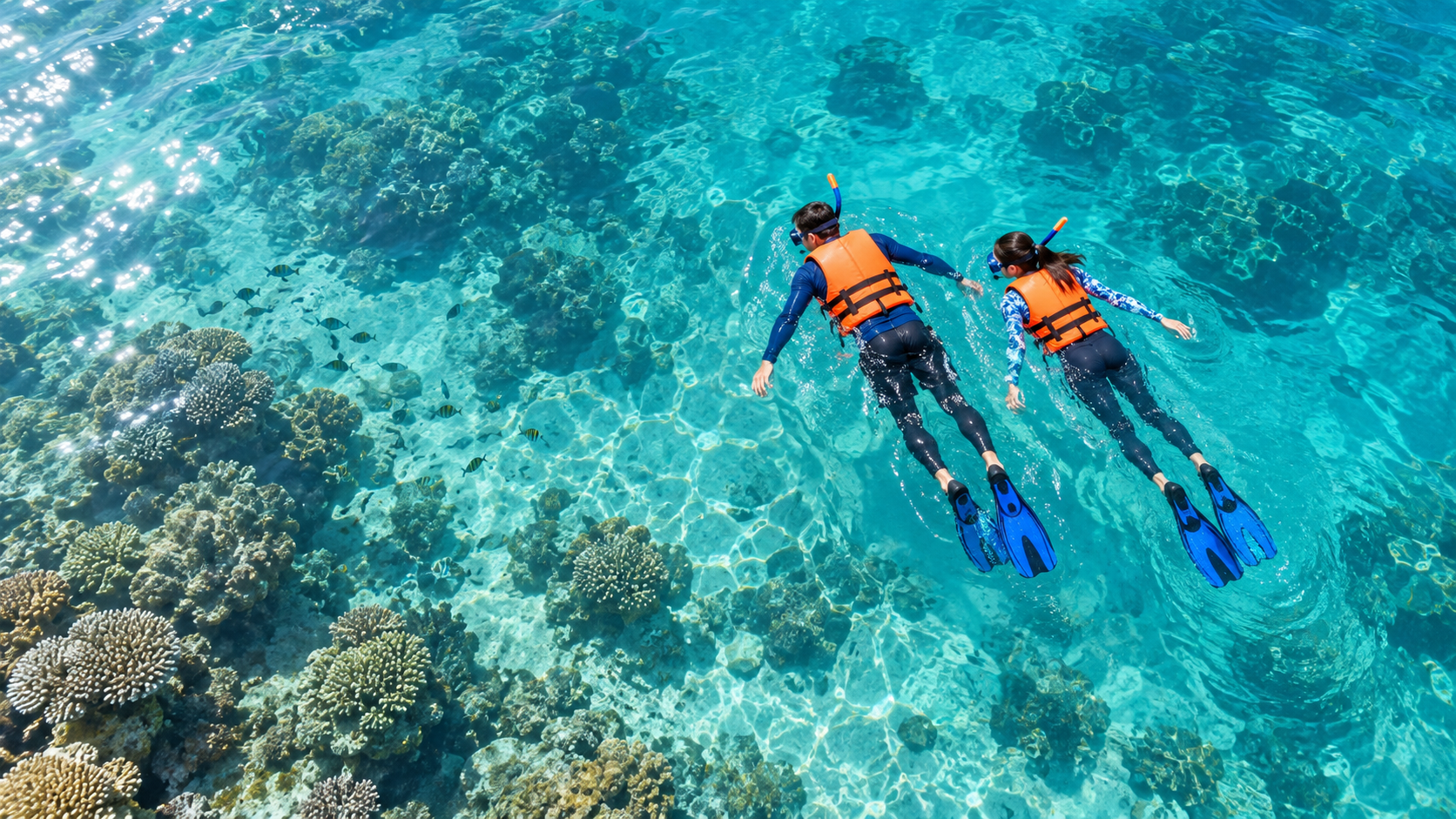
The simple KCore companion path for safer snorkeling.
 DiverInterCom KCore Companion
A Safe Snorkeler Is a Happy Snorkeler
Snorkeling is easy to begin — and even easier to underestimate.
With a mask, snorkel and fins you can already discover reefs, fish, sunlight, sea grass, wreck outlines and the pure joy of floating above another world. But easy does not mean risk-free. A little preparation can make snorkeling safer, calmer and much more enjoyable.
Snorkeling does not have to be complicated. It just deserves a little more thought than many people give it.
Good snorkeling safety is mostly built from simple habits: cover up, float comfortably, stay with a buddy, check the water, know your exit, watch your energy, and keep enough reserve to return easily.
Protect Your Skin — Cover Up
Whenever practical, wear a long-sleeve rash guard with long trousers, or a suitable neoprene suit. It helps protect your skin from extensive sun exposure and reduces the chance of painful sunburn.
Protective clothing also helps against minor scratches, accidental contact with rough surfaces, small stinging organisms, tiny jellyfish or larvae, and wind chill after leaving the water.
Use Flotation When It Makes Sense
Even an experienced swimmer can become tired. Current can move you farther than expected. You may cramp, become exhausted or simply misjudge the return swim. A well-fitted life vest or snorkeling vest can add an important layer of safety.
And there is another benefit: flotation makes relaxed surface snorkeling easier. Instead of constantly working to stay high in the water, you can rest, breathe and observe.
Two common options
Life vest: excellent general flotation, especially for children, tired swimmers and long surface sessions.
Snorkeling vest: often allows adjustable buoyancy and easier shallow duck dives while still giving support at the surface.
Carry a Whistle — And Be Visible
Attach a signaling whistle to your vest or gear where you can reach it. In wind, waves or boat noise, your voice will not carry very far, and repeated shouting can exhaust you quickly.
If you go out late in the day, at dusk or at night, add a reliable waterproof light and a strong emergency strobe or marker light. That is not only useful for seeing — it can help others find you too.
Never Snorkel Alone
Stay with a buddy and remain close enough to actually help each other. Periodically look at your partner instead of becoming completely absorbed by the reef below.
A snorkeler who gets tired, cramps, inhales water or has a medical problem may not be able to call clearly for help.
Look at the Water Before You Enter It
Before putting your face in the water, spend a few minutes looking. Check current, waves, surf, tide, wind, boat traffic, rocks, shallow reef and changing weather. Ask locals or the operator about currents.
Also know how you will get out before you get in. A calm beach entry can feel very different after an hour if the tide rises, wind increases or you drift farther than expected.
Be Careful with Breath-Hold Dives
Many snorkelers naturally want to dive down for a closer look. That is fine, but now you are moving toward apnea or freediving rather than simple surface snorkeling.
Never hyperventilate before a breath-hold dive, and never practice breath-hold diving alone. Blackout can occur with little warning.
Simple Gear That Helps a Lot
You asked for a practical, visible and beginner-friendly setup. These three items make excellent sense for many snorkeling situations.
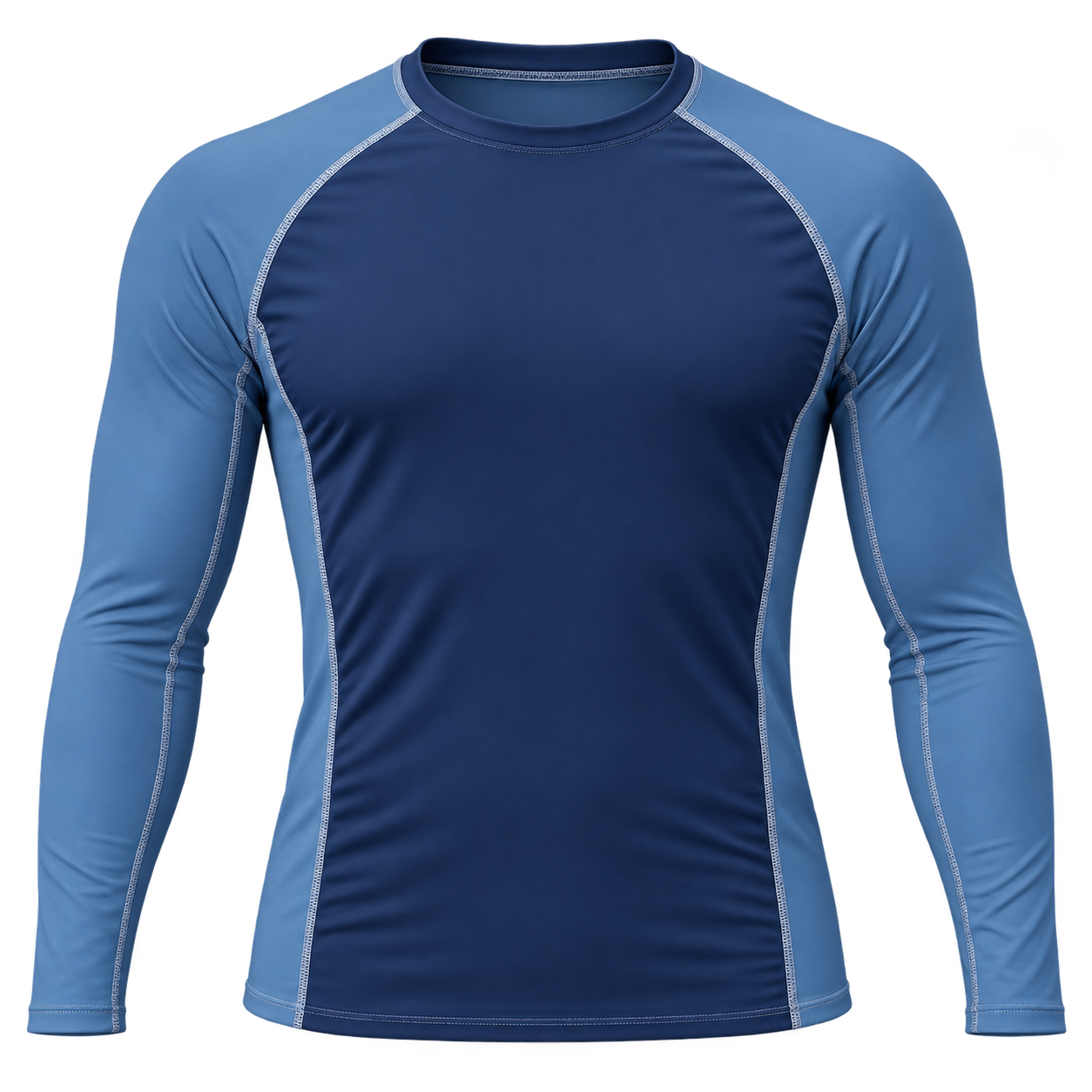
Long-Sleeve Rash Guard
Excellent for sun protection, comfort and reducing minor scrapes or irritation from small stinging organisms.
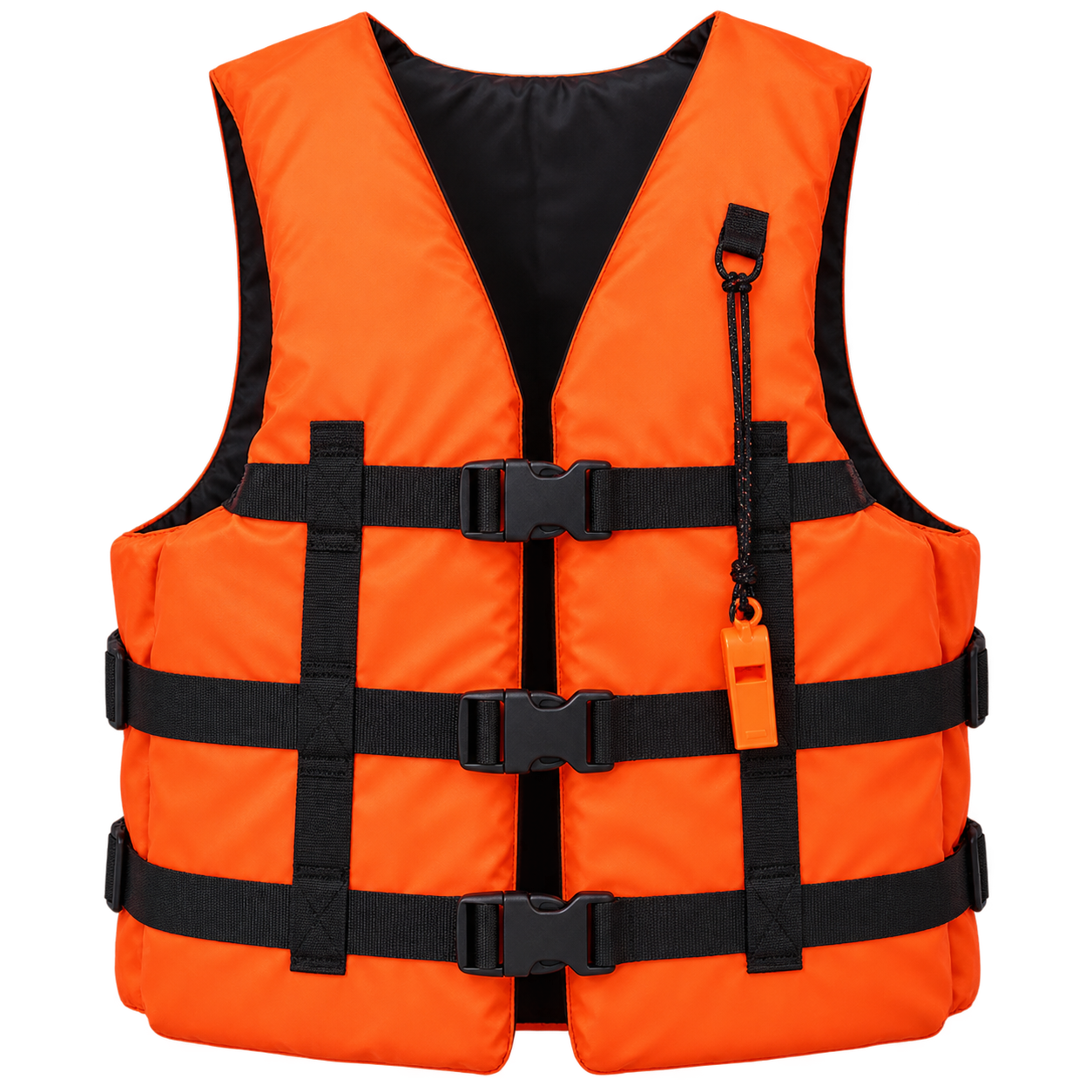
Life Vest with Whistle
Strong surface flotation and a very practical signaling whistle when you need attention.
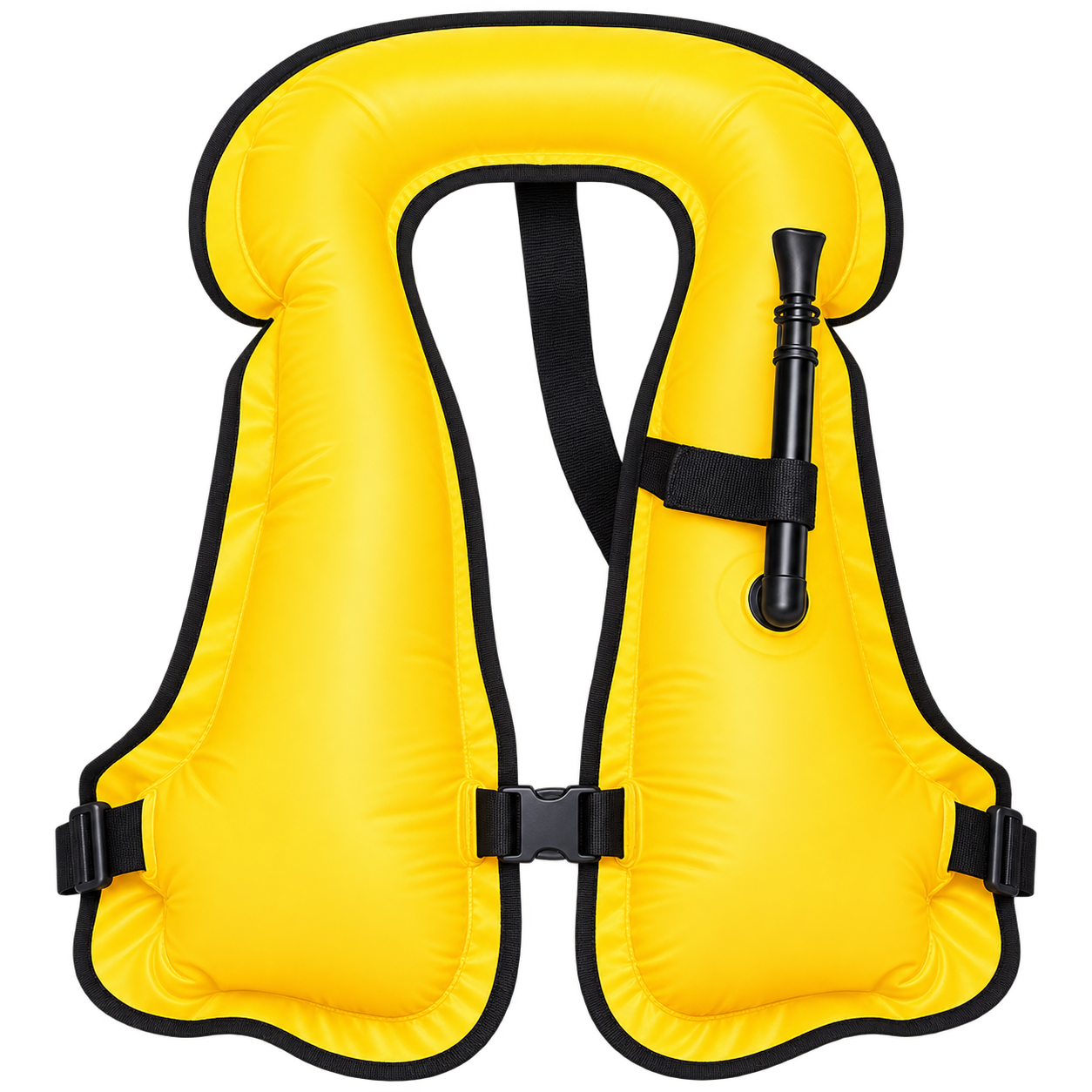
Adjustable Snorkeling Vest
Added flotation with an oral inflation tube and more flexibility for comfortable surface use and controlled shallow duck dives, depending on the model.
Watch for Boats — Respect Wildlife
Surface swimmers can be surprisingly hard for boat operators to see. Stay in designated areas where possible, understand local flag or float practices, and never assume a boat has seen you.
At the same time, avoid touching the reef, standing on coral, chasing turtles or crowding other animals. The safest wildlife interaction is usually the nicest one too: watch it behave naturally.
Watch Your Energy, Hydration and Limits
Keep enough energy in reserve for the return swim, unexpected current or helping a buddy. Do not wait until you feel tired to turn around — turn while you still feel good.
Drink water before and after the session. Avoid alcohol or anything that harms coordination and judgement. And if you feel unwell, skip the snorkeling for today. The reef will still be there tomorrow.
The KCore Safe Snorkeling Pocket Check
Before entering the water, run through this fast mental checklist.
Relax. Float. Look.
Snorkeling Is Already a Way of Exploring the Underwater World
Snorkeling is not merely something you do before scuba diving. It is already its own beautiful way of entering the water. Take your time. Learn how the sea feels. Learn to float without fighting it. Watch animals behave naturally. Become comfortable.
And someday, if curiosity makes you wonder what waits a few metres deeper, scuba will still be there.
Float. Breathe. Observe.