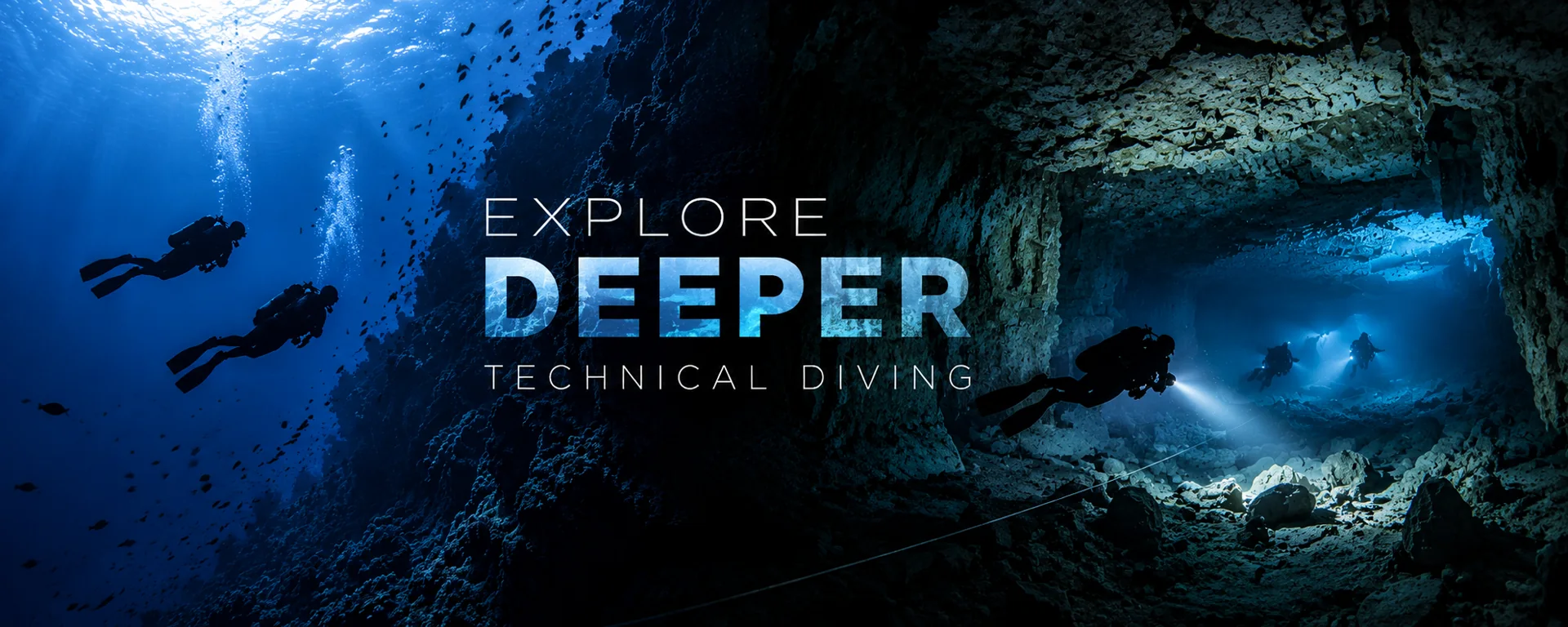
The Transition to Technical Diving
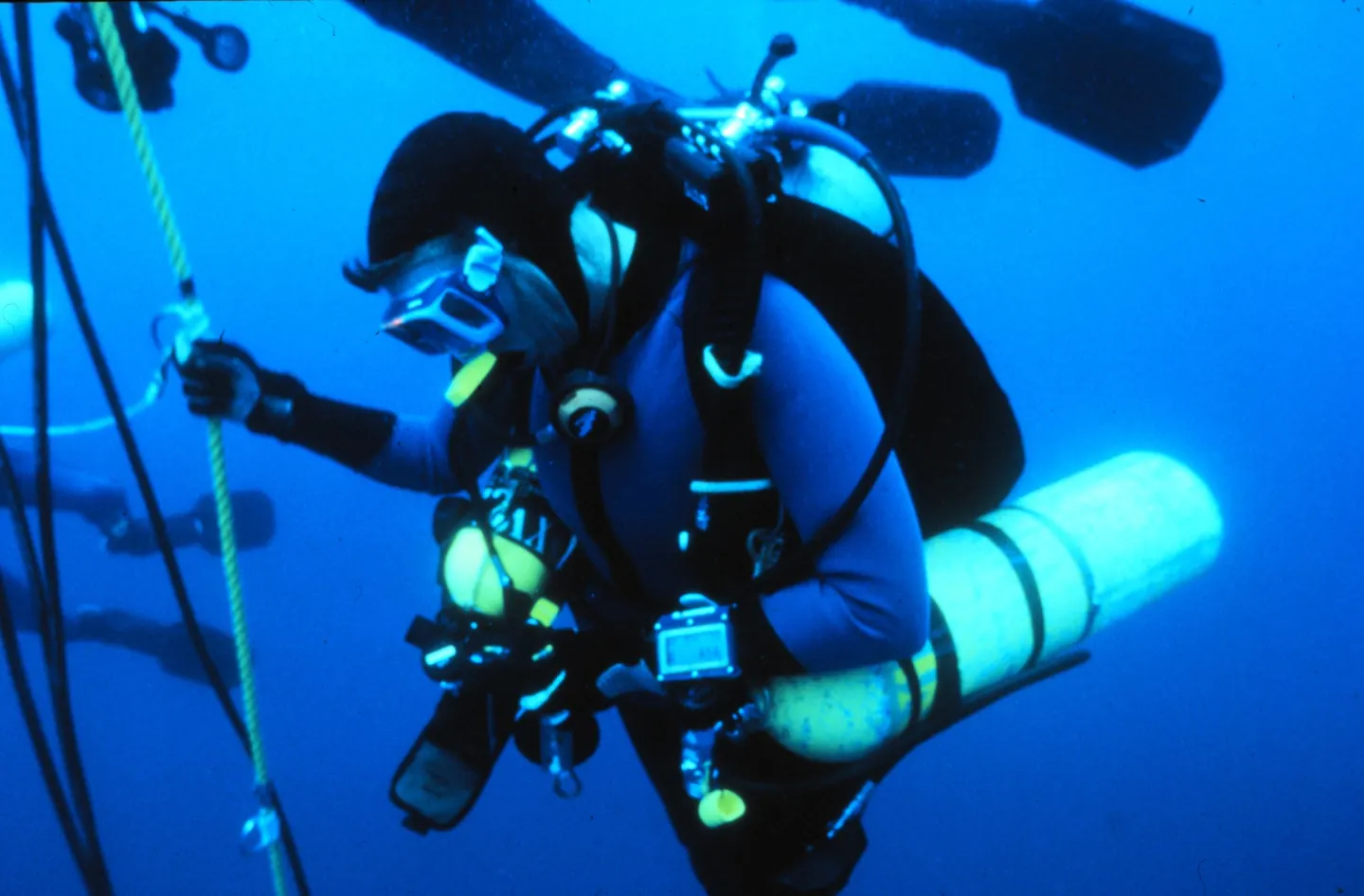
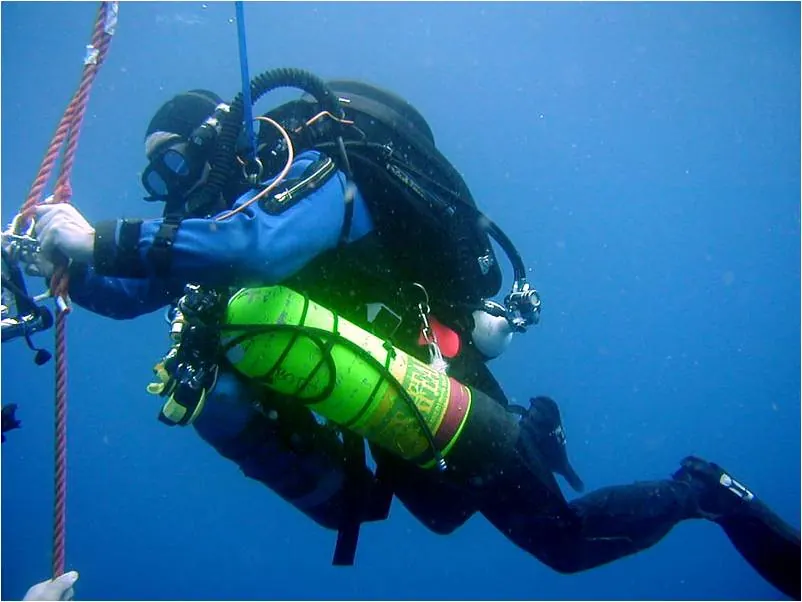
A technical diving education is not a single straight staircase. It is a collection of connected pathways. The skills that make a diver capable of planned decompression do not automatically qualify that diver to enter a cave, penetrate a wreck, use a rebreather or breathe hypoxic trimix.
A recreational diver normally plans a dive that allows a direct ascent to the surface without mandatory decompression stops. A technical diver may deliberately plan a dive with a decompression ceiling, multiple breathing gases, additional equipment and more complex emergency procedures. An overhead diver faces a different kind of ceiling: rock, wreck structure or another physical barrier between the diver and the surface.
Before the First Technical Course
- Build reliable buoyancy, trim, propulsion, team communication and situational awareness.
- Gain meaningful experience with deep recreational diving, nitrox, navigation and controlled ascents.
- Learn gas planning, equipment failure response, oxygen exposure, decompression theory and rescue fundamentals.
- Explore suitable redundant configurations: twinset, technical sidemount, or another configuration explicitly accepted by the course standards.
Technical foundations courses prepare divers for more demanding configurations and team procedures. They are not automatically a qualification for staged decompression.
Open Circuit, Decompression & Gases
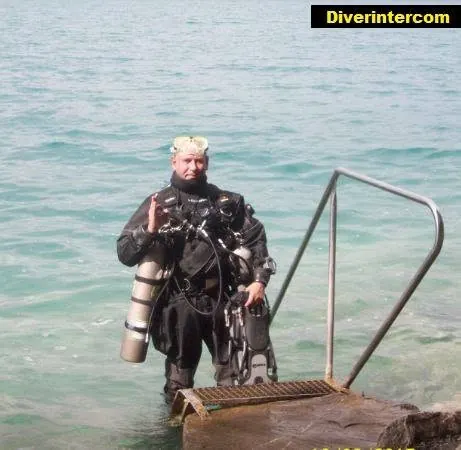
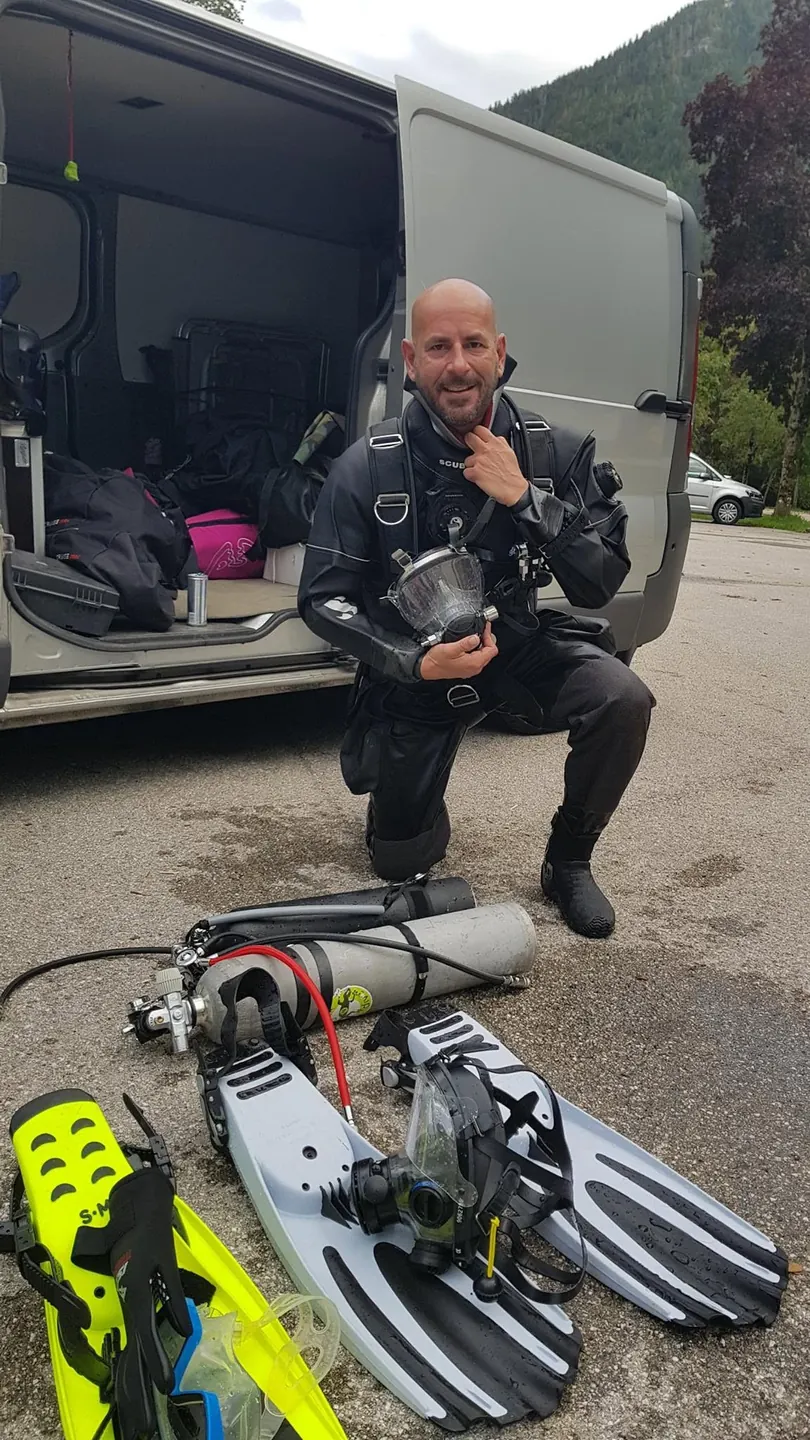
1. Technical foundations
Introduction-to-technical-diving training develops the discipline of a technical configuration: gas-sharing drills, valve access, propulsion, team positioning, equipment checks and controlled ascent procedures. Examples include SSI Extended Range Foundations and TDI Intro to Tech.
2. Advanced nitrox and the first decompression obligation
This is where the recreational-to-technical transition becomes tangible. Divers learn to plan limited mandatory decompression and may carry a dedicated decompression cylinder. SSI Extended Range Nitrox teaches limited decompression to 40 m, including decompression gases up to 100% oxygen. PADI Tec 40 offers limited decompression to 40 m and up to 50% oxygen for decompression. TDI Advanced Nitrox focuses on higher-oxygen mixtures and is commonly paired with the separate Decompression Procedures course; Advanced Nitrox alone does not grant staged-decompression qualification.
3. Extended range and multigas decompression
With further training, divers plan more complex decompression schedules, often using more than one decompression gas and redundant bottom-gas supplies. Examples include PADI Tec 45 and Tec 50, SSI Extended Range / Technical Extended Range, and TDI Decompression Procedures / Extended Range. Exact certification limits differ; course names are not interchangeable.
4. Introducing helium: helitrox and normoxic trimix
Helium can reduce nitrogen narcosis and breathing-gas density. Progression may begin with modest helium content in a normoxic mix, sometimes called helitrox or recreational trimix, then advance to normoxic trimix. SSI offers Extended Range Trimix to 45 m and more advanced trimix pathways. TDI Helitrox has a published maximum of 45 m; TDI Trimix progresses to 60 m. PADI offers trimix options within Tec 40/45/50 and Tec Trimix 65.
5. Hypoxic trimix and advanced exploration
Advanced training addresses bottom gases with oxygen fractions unsuitable for breathing at the surface, travel gases, multiple decompression cylinders, extensive contingency planning and demanding exposure management. Examples include TDI Advanced Trimix, SSI Hypoxic Trimix, PADI Tec Trimix and IANTD Trimix. These are advanced destinations, not necessary goals for every technical diver.
And what about heliox?
Heliox contains helium and oxygen without nitrogen. It is a distinct breathing-gas concept, not a universal separate certification rung in every agency. Suitable helium qualifications, gas analysis, oxygen fraction, equipment configuration and course-specific limits govern its use; a trimix qualification does not automatically cover every heliox application.
Closed-Circuit Rebreathers (CCR)
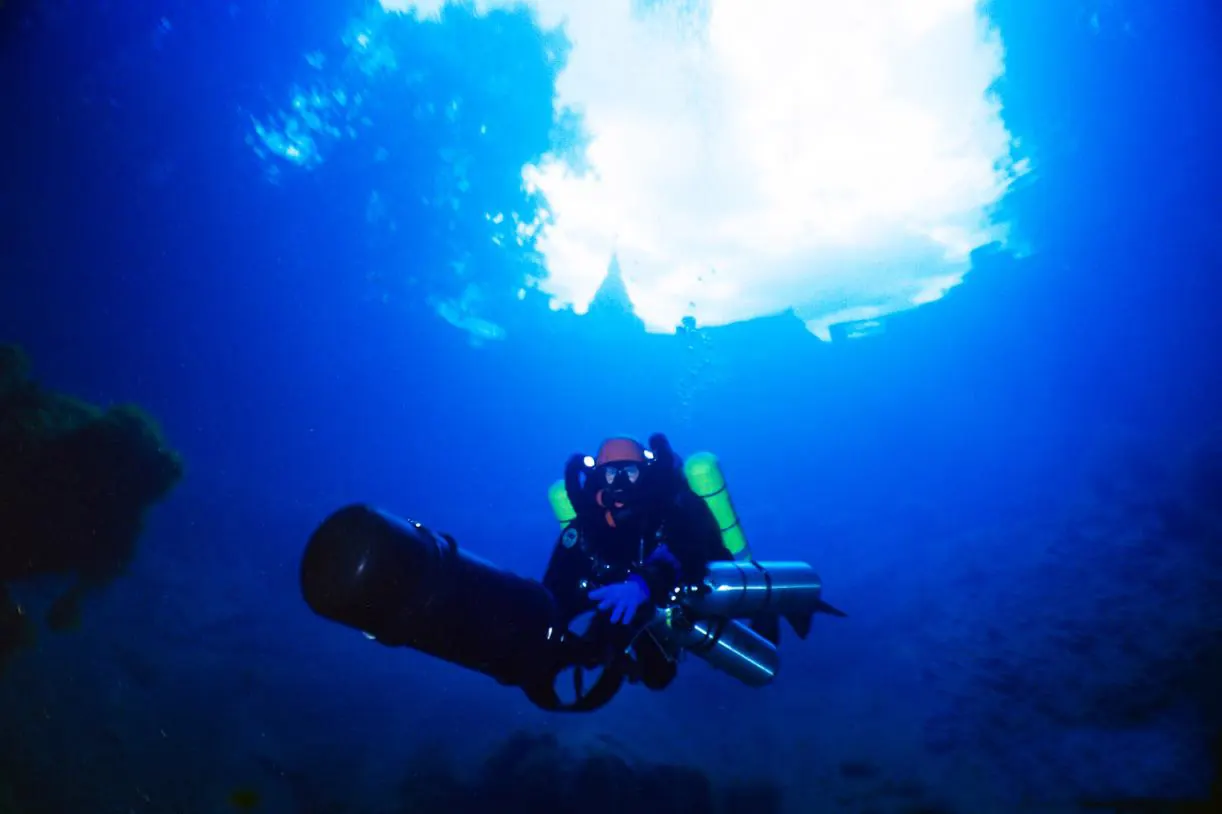
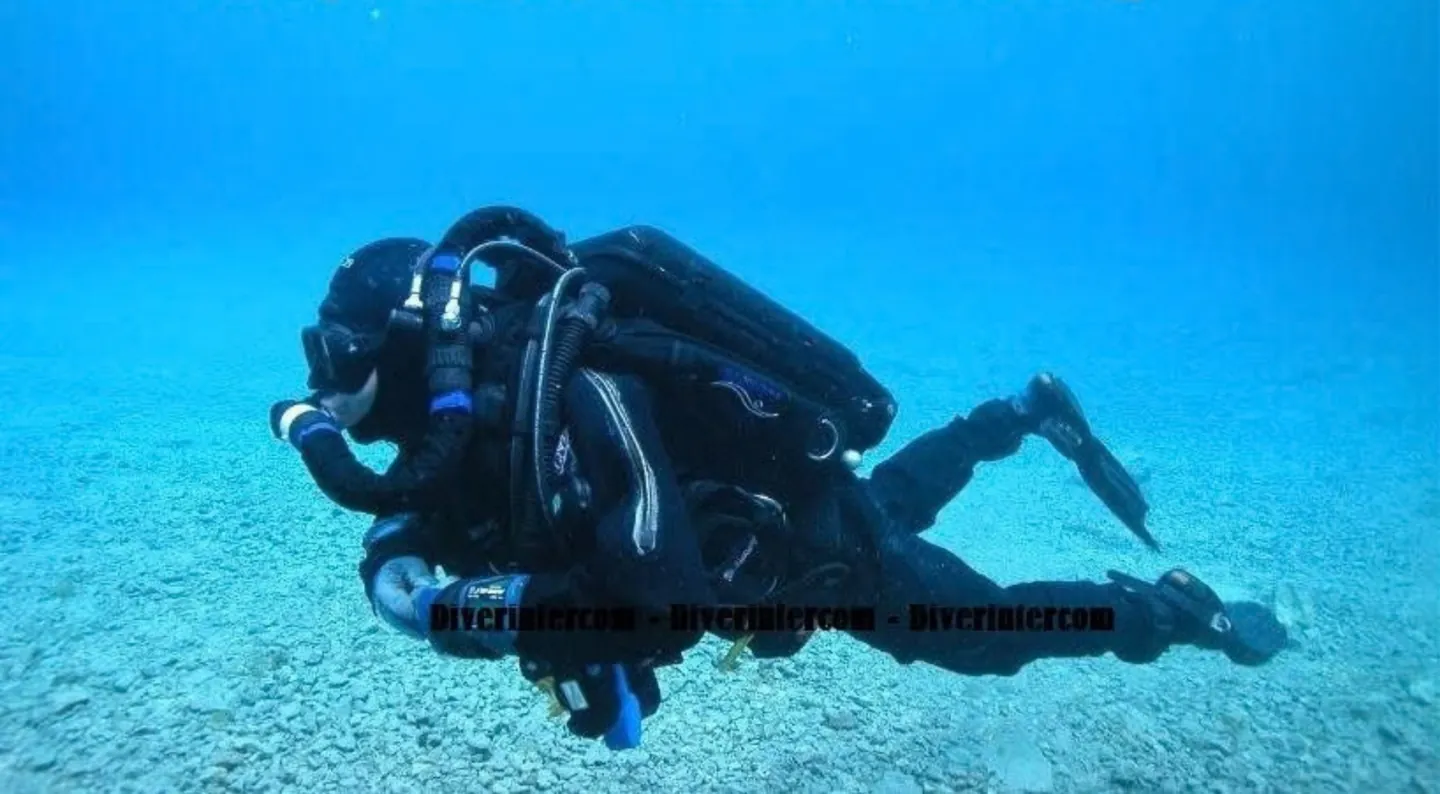
A CCR diver manages a breathing loop, oxygen addition, carbon-dioxide absorption, sensors and bailout gas. CCR education is a parallel path, not simply an extension of open-circuit depth qualifications. Training is commonly unit-specific.
1. CCR introduction and air diluent
Initial CCR training covers assembly, positive/negative checks, oxygen monitoring, scrubber management, buoyancy, setpoints, bailout and failure recognition. SSI CCR Diving, TDI Air Diluent CCR and PADI Tec 40 CCR are examples, but their decompression permissions and prerequisites differ. “Air diluent” does not mean unlimited depth or decompression.
2. CCR decompression
The next stage adds planned decompression, more complex bailout planning and longer exposures. SSI CCR Extended Range is published with a 40 m air-diluent limit and a maximum accumulated decompression time of 10 minutes; its trimix variant extends to 45 m. TDI offers Air Diluent Decompression Procedures CCR. PADI progresses through its Tec CCR program.
3. CCR mixed gas and technical trimix
Further training adds helium diluent, extended staged decompression, offboard bailout cylinders and complex failure contingencies. Examples include SSI CCR Technical Extended Range (60 m trimix), TDI Mixed Gas CCR and PADI Tec 60 CCR. Advanced programs include SSI CCR Hypoxic Trimix, TDI Advanced Mixed Gas CCR and PADI Tec 100 CCR.
Overhead Environments
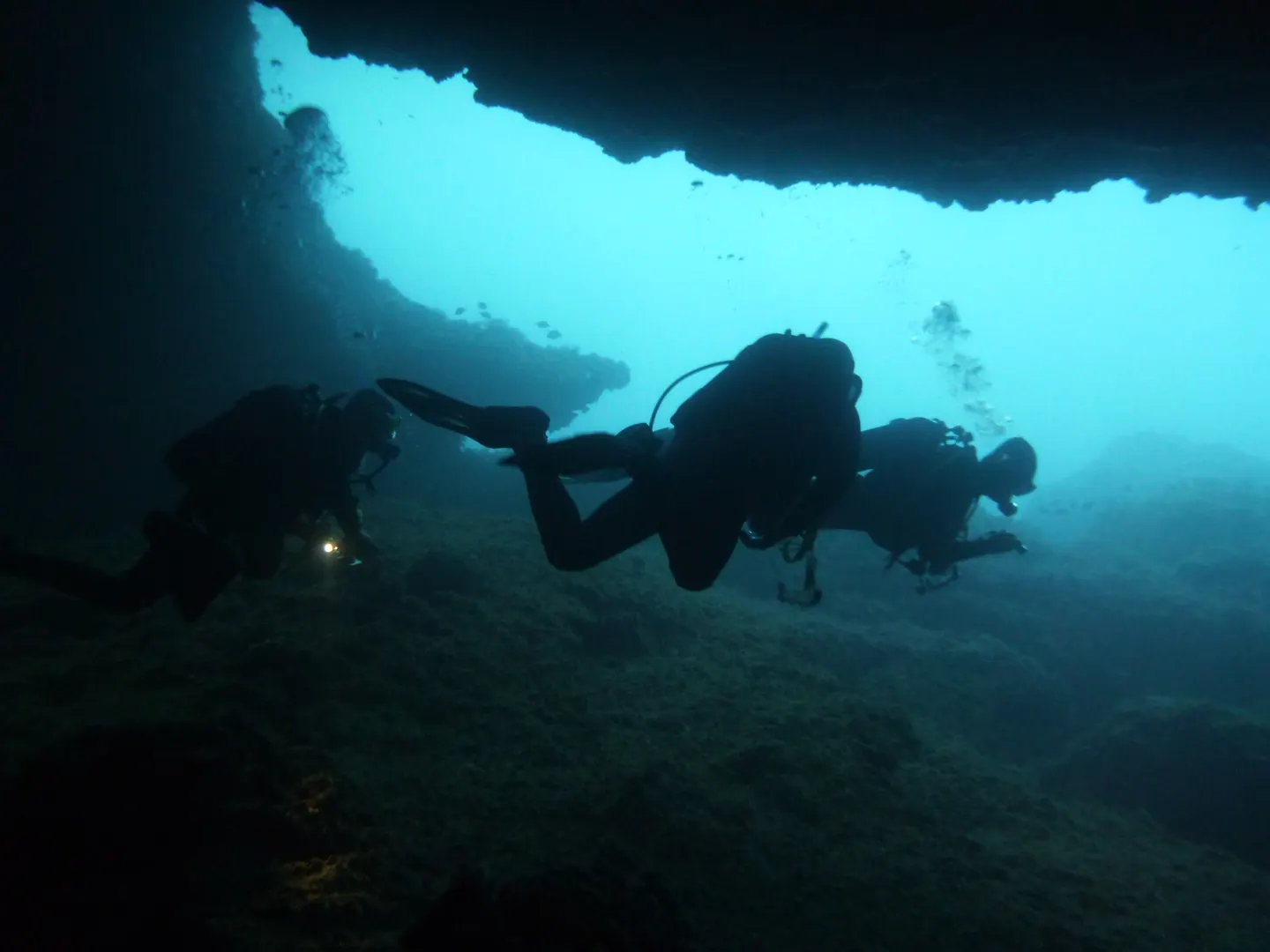
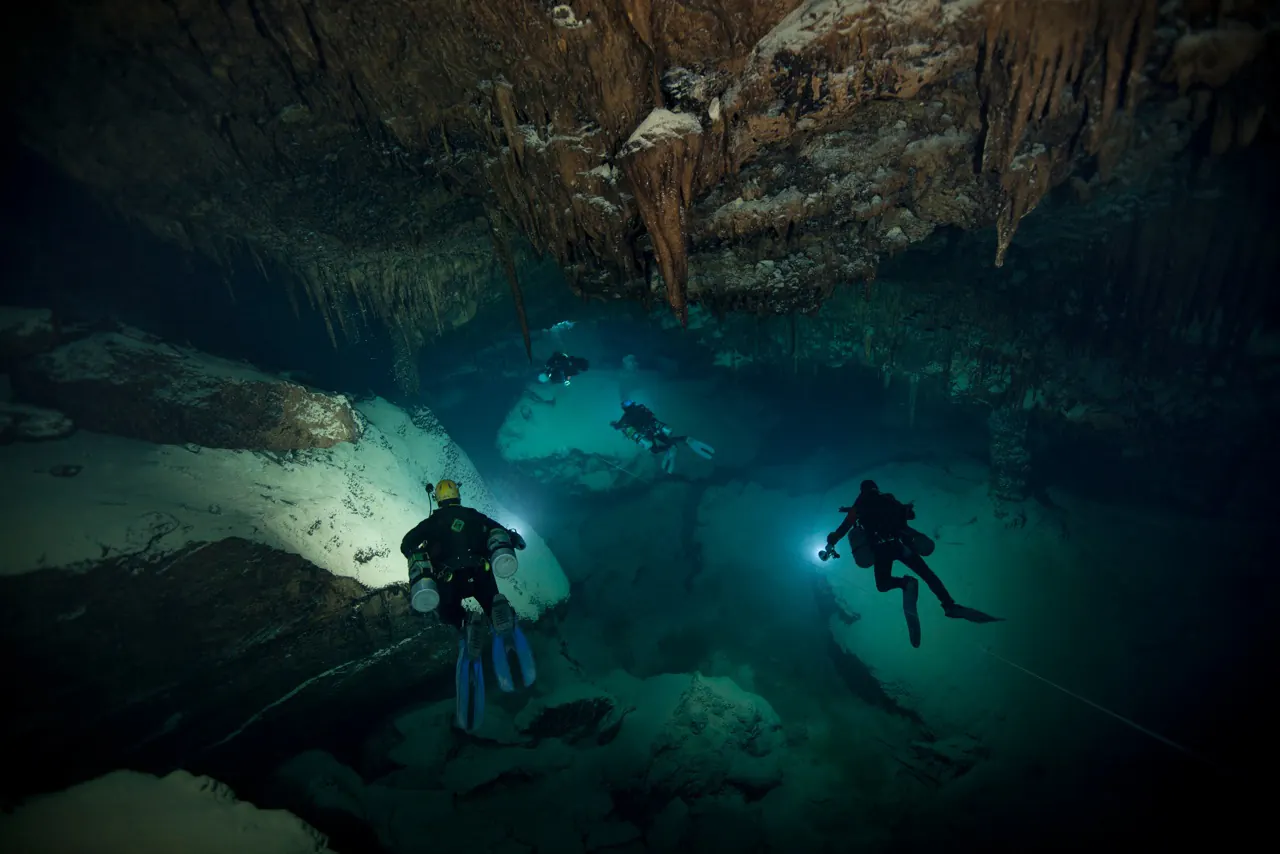
Overhead training is its own family tree. Technical decompression skills and overhead skills complement one another, but neither replaces the other. A physical ceiling changes navigation, gas reserves, lighting, equipment configuration, communication and emergency options.
Branch A — Wreck Diving and Technical Penetration
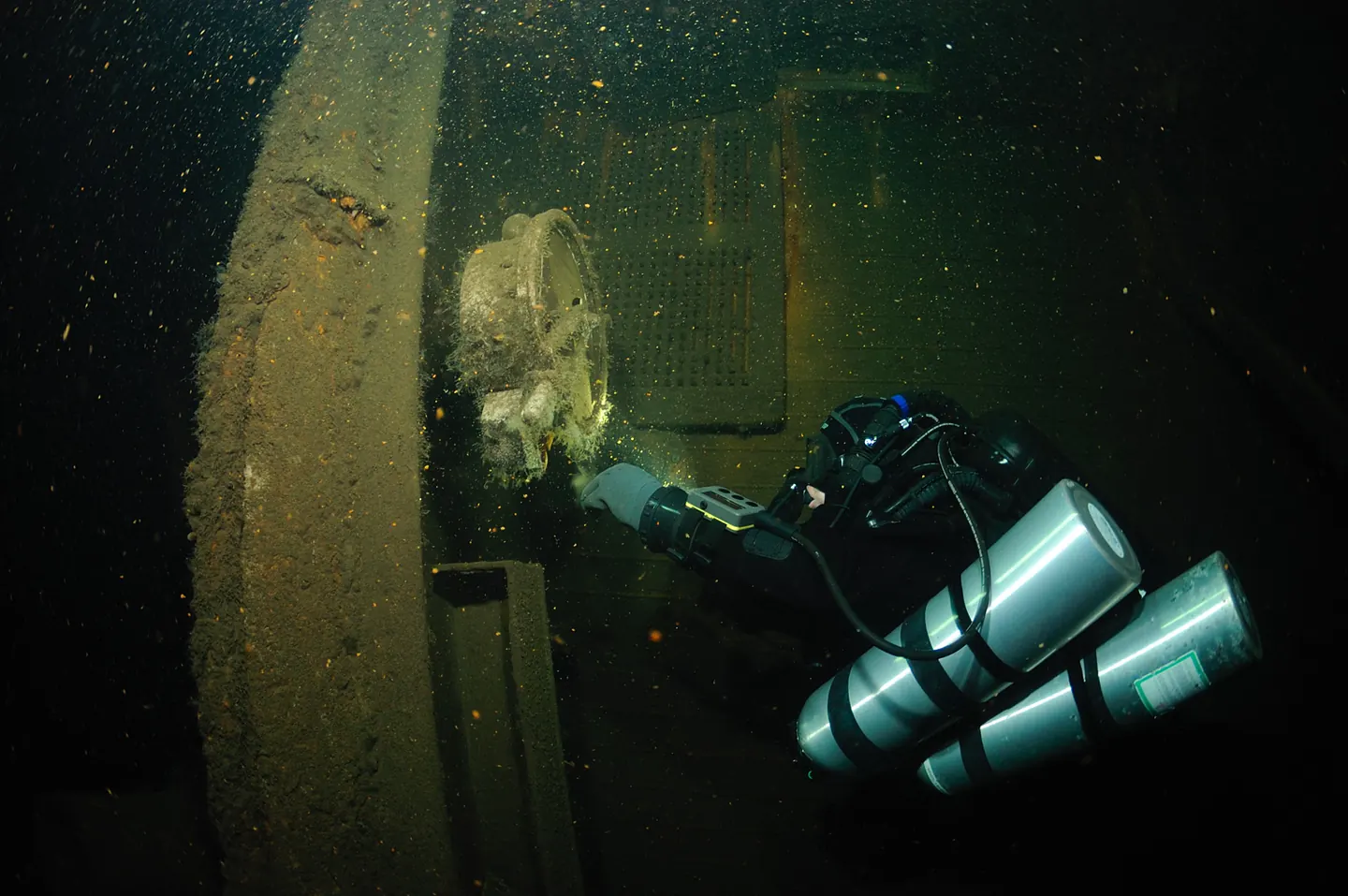
Exterior wreck exploration: recreational wreck courses introduce hazards, orientation and non-penetration exploration.
Limited penetration: specialist training introduces controlled entry, guideline use and exits within defined restrictions.
Technical wreck: advanced programs cover more demanding penetration, navigation, team and failure scenarios. Examples include SSI Extended Range Wreck Diving followed by Technical Wreck Diving, TDI Advanced Wreck, ANDI Technical Wreck Diver and IANTD Advanced Wreck Diver.
Branch B — Cavern to Cave: A Separate Evolution
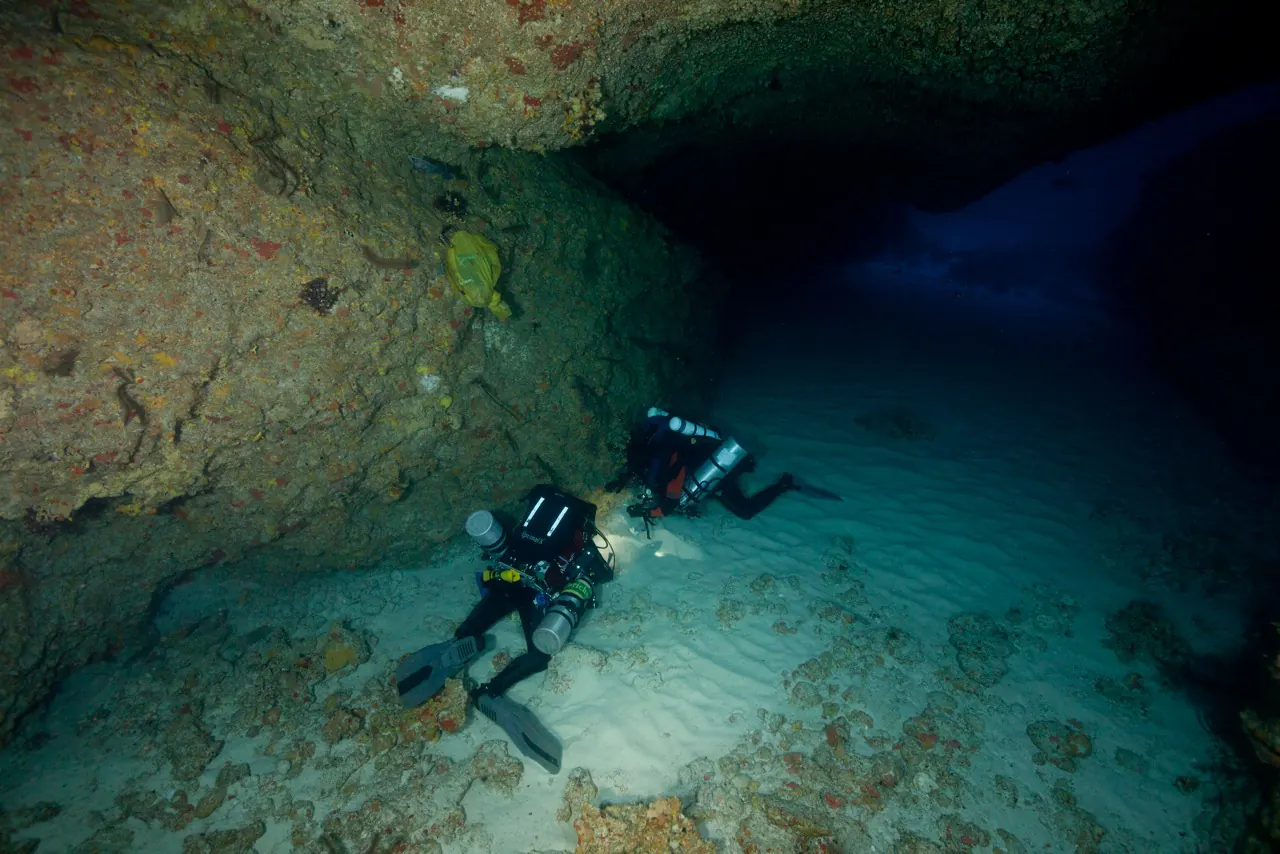
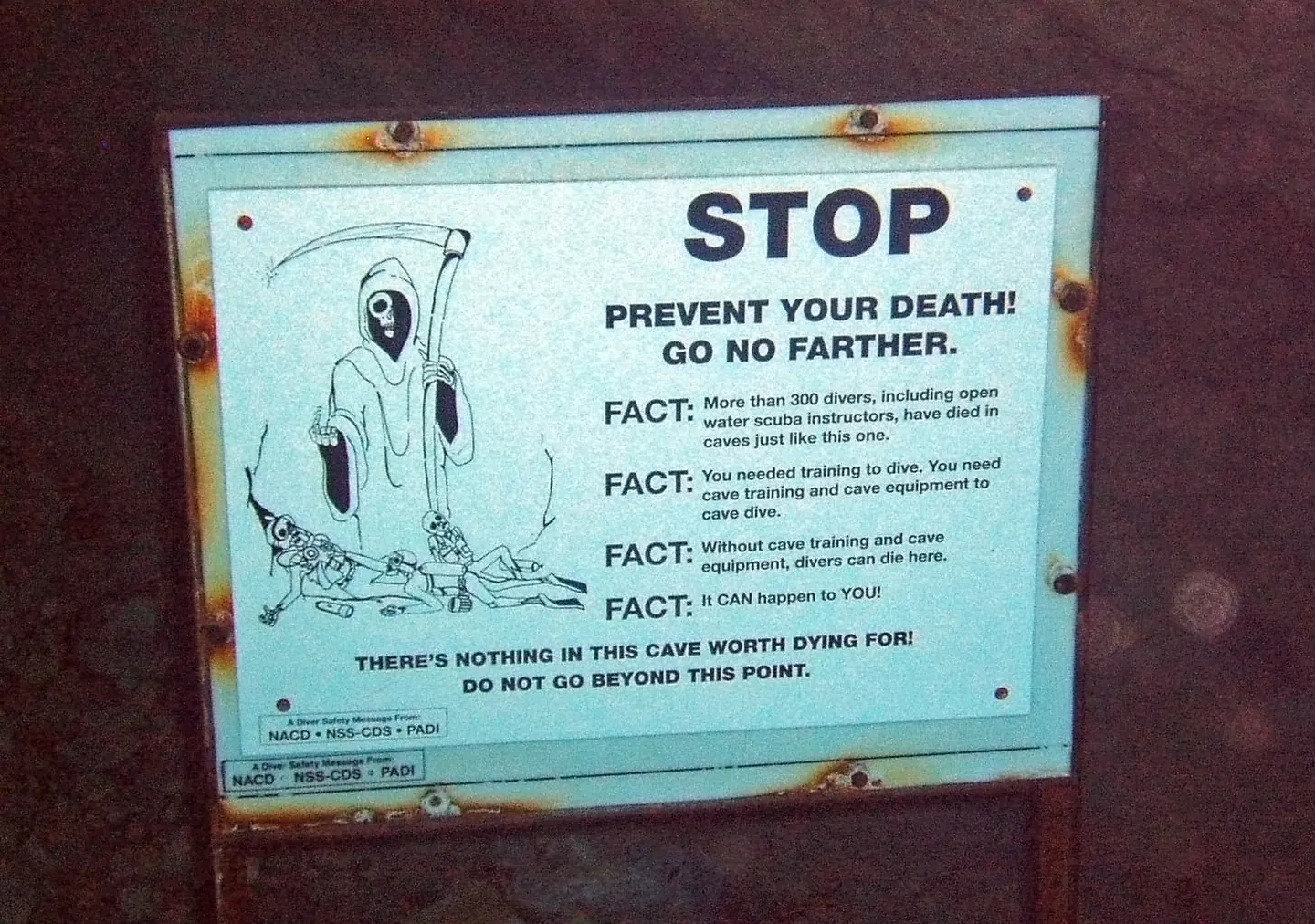
Recognizable pathways include SSI Extended Range Cavern → Cave Diving → Full Cave Diving; TDI Cavern → Intro to Cave → Full Cave; and ANDI Cavern → Cave Diver → Cave Explorer. IANTD and specialist cave organizations have their own progressions. Titles alone do not establish equivalence.
Branch C — Advanced Overhead Combinations
CCR cave, trimix cave, deep cave, stage cave and DPV cave combine several independent competencies. Mines are another overhead environment with their own specialist progression and should not be casually folded into wreck or cave training.
Comparing Training Agencies
These are illustrative training families, not a formal equivalency chart. Prerequisites and recognition depend on the agency, program and instructor.
| Agency | First technical / deco direction | Helium / advanced OC | Overhead direction |
|---|---|---|---|
| SSI | XR Foundations; XR Nitrox; XR | XR Trimix; Technical XR Trimix; Hypoxic | XR Wreck / Technical Wreck; Cavern / Cave / Full Cave |
| PADI | Tec Basics; Tec 40 / 45 / 50 | Tec Trimix options; Tec Trimix 65; Tec Trimix | Cavern and wreck pathways vary by program/region |
| TDI / SDI | Intro to Tech; Advanced Nitrox + Deco Procedures | Helitrox; Extended Range; Trimix; Advanced Trimix | Advanced Wreck; Cavern / Intro Cave / Full Cave |
| IANTD | Advanced EANx; Technical Diver | Advanced Recreational Trimix; Normoxic / Trimix | Limited / Advanced Wreck; Cavern / Intro / Cave |
| ANDI | Technical SafeAir Diver (Level 3) | Technical TriMix; Extended Range; TriMix Exploration | Technical Wreck; Cavern / Cave / Cave Explorer |
| NSS-CDS | Specialist cave-training pathway | Cave decompression and trimix cave specialties | Cavern Tech; Apprentice Cave; Cave Diver; advanced specialties |
| NACD | Specialist cave-training pathway | Specialist overhead procedures and training | Cavern; Intro Cave; Apprentice Cave; Full Cave |
Cave-diving specialists: NSS-CDS and NACD
The National Speleological Society – Cave Diving Section (NSS-CDS) and the National Association for Cave Diving (NACD) are recognized specialist cave-diving organizations. Their courses focus on line work, navigation, team procedures and emergency management in caves.
NSS-CDS distinguishes Single Tank Cavern Diver awareness from Cavern Tech training intended to prepare students for cave progression. Its cave path includes Apprentice Cave Diver and Cave Diver, followed by Stage Cave, DPV Cave, CCR Cave and Trimix Cave. NACD materials describe Cavern, Intro to Cave, Apprentice Cave and Full Cave. These are agency-specific pathways, not universal cross-agency equivalents.
Official Training & Research Sources
Agency standards and programs can change. Verify the current training standards, prerequisites and permissions directly with the organization and instructor.
- SSI — Extended Range Nitrox
- SSI — Agency Equivalency Charts
- SSI — CCR Extended Range Standards
- SSI — Technical CCR Standards
- PADI — Technical Diving
- PADI — Tec 40
- TDI — Technical Diver Pathway
- TDI / SDI — Training Standards
- IANTD — Technical Programs
- ANDI — Technical & Exploration
- ANDI — Training Levels
- NSS-CDS — Cave Courses
- NSS-CDS — Training Mission
- NACD — Official Website
Technical diving is not a race to the deepest number.
It is a deliberate expansion of skills, judgment, redundancy and responsibility.