 DiverInterCom KCore Scuba
Beginner's Equipment Corner · 2026
Buy smart.Dive into what fits you.
What should a new diver buy first, what is better rented, and which equipment may change as your diving develops?
When you begin scuba diving, you do not yet know what kind of diver you will become. You may imagine easy warm-water holiday dives and later discover cold water, photography, wrecks, drysuits, sidemount, technical diving—or you may happily remain a relaxed recreational diver. Your equipment choices develop with you.
A well-fitting mask can follow you through almost your entire diving life. Regulators, computers, fins and especially BCD/BPW configurations may change much more with the style of diver you become. Replacing equipment later does not mean your first equipment was bad—your diving simply developed.
01 Mask
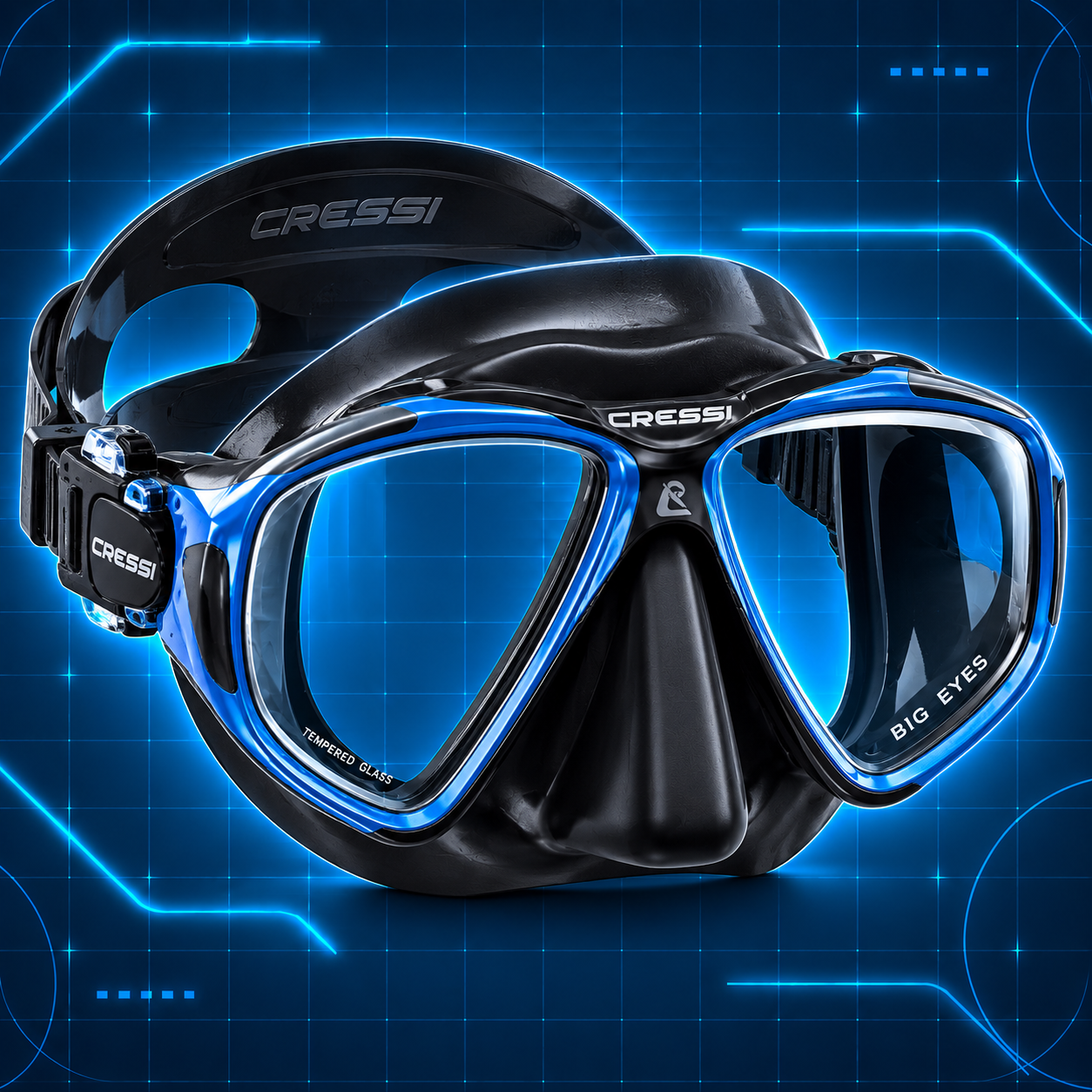
A mask is one of the safest early purchases because fit is personal and a good mask can stay useful whether you remain recreational or progress much further.
What matters most
- Fit and seal before brand or price
- Soft silicone skirt and tempered glass
- Easy nose access for equalization
- Comfortable buckles, useful field of view and sensible internal volume
Cressi F1 / Big Eyes, TUSA Freedom, Mares X-Vision, Scubapro frameless designs.
Usually low-volume, robust masks; many technical divers carry a backup rather than needing a special “technical mask.”
02 Snorkel
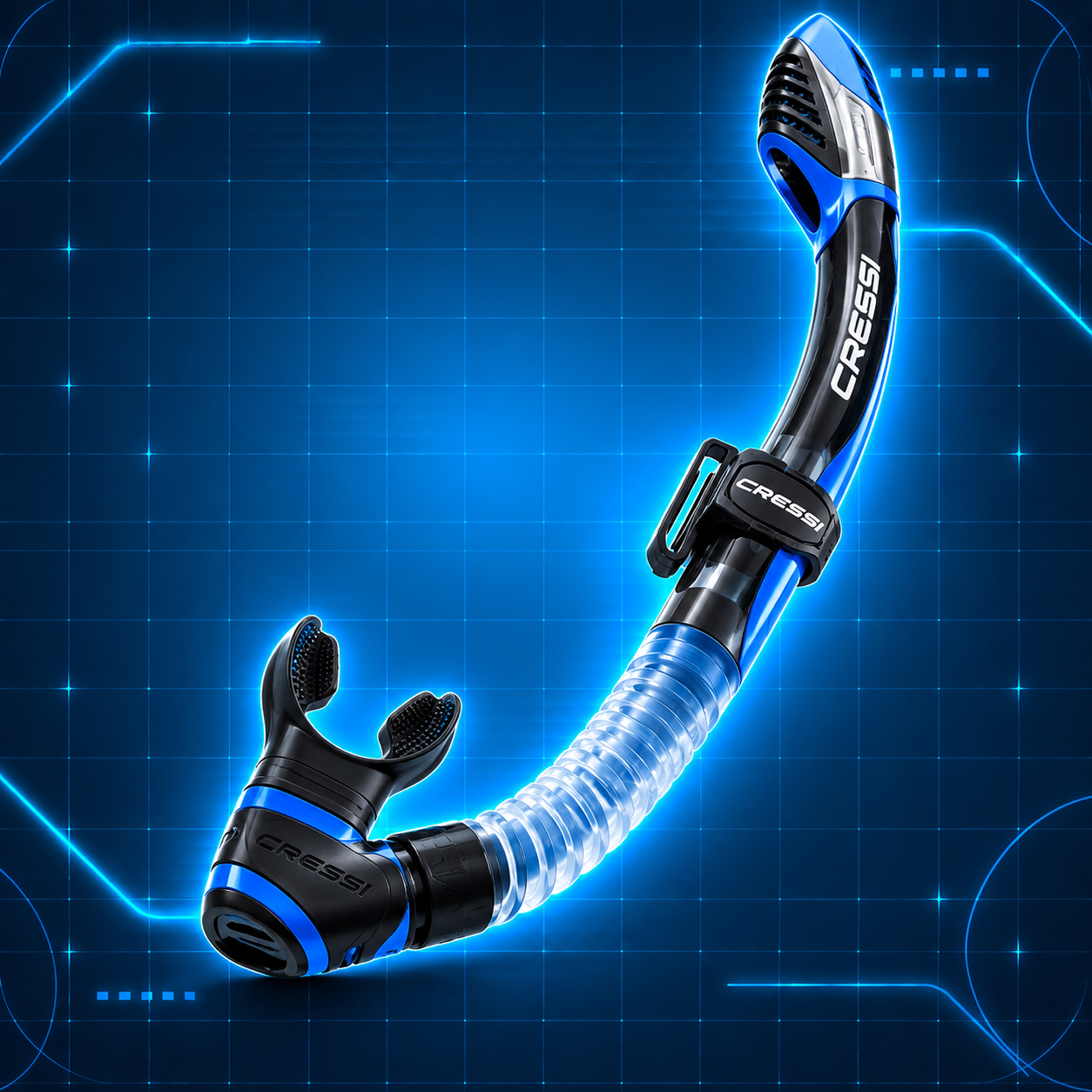
For recreational diving a snorkel remains useful for surface swimming and waiting without using cylinder gas. Simple J-snorkels have almost nothing to fail; semi-dry and dry designs add splash protection or valves.
Watch for
Comfortable mouthpiece, low drag, easy breathing and simple construction. Established recreational names include Cressi, Mares, TUSA, Scubapro and Aqualung. Technical configurations commonly omit the snorkel.
03 Fins
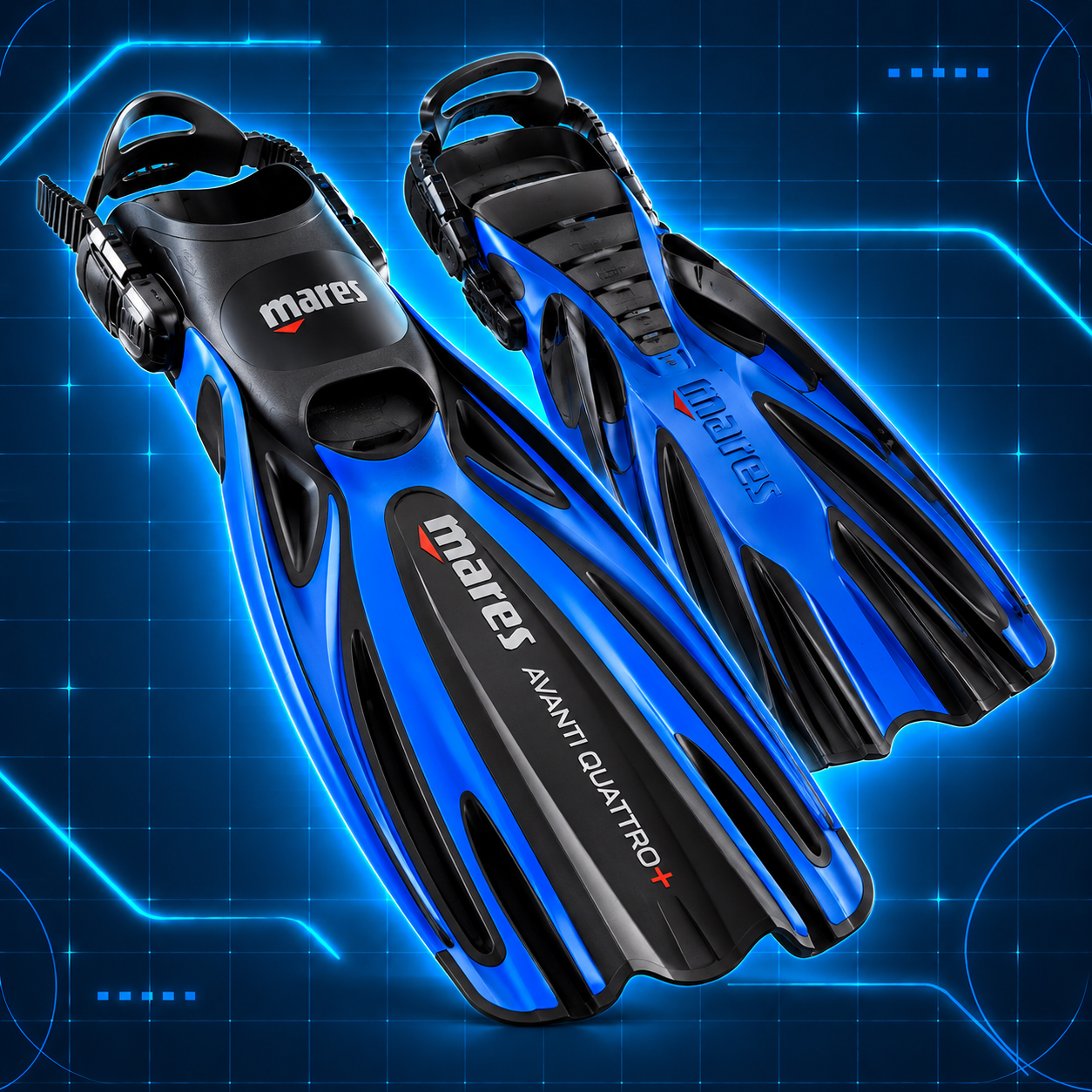
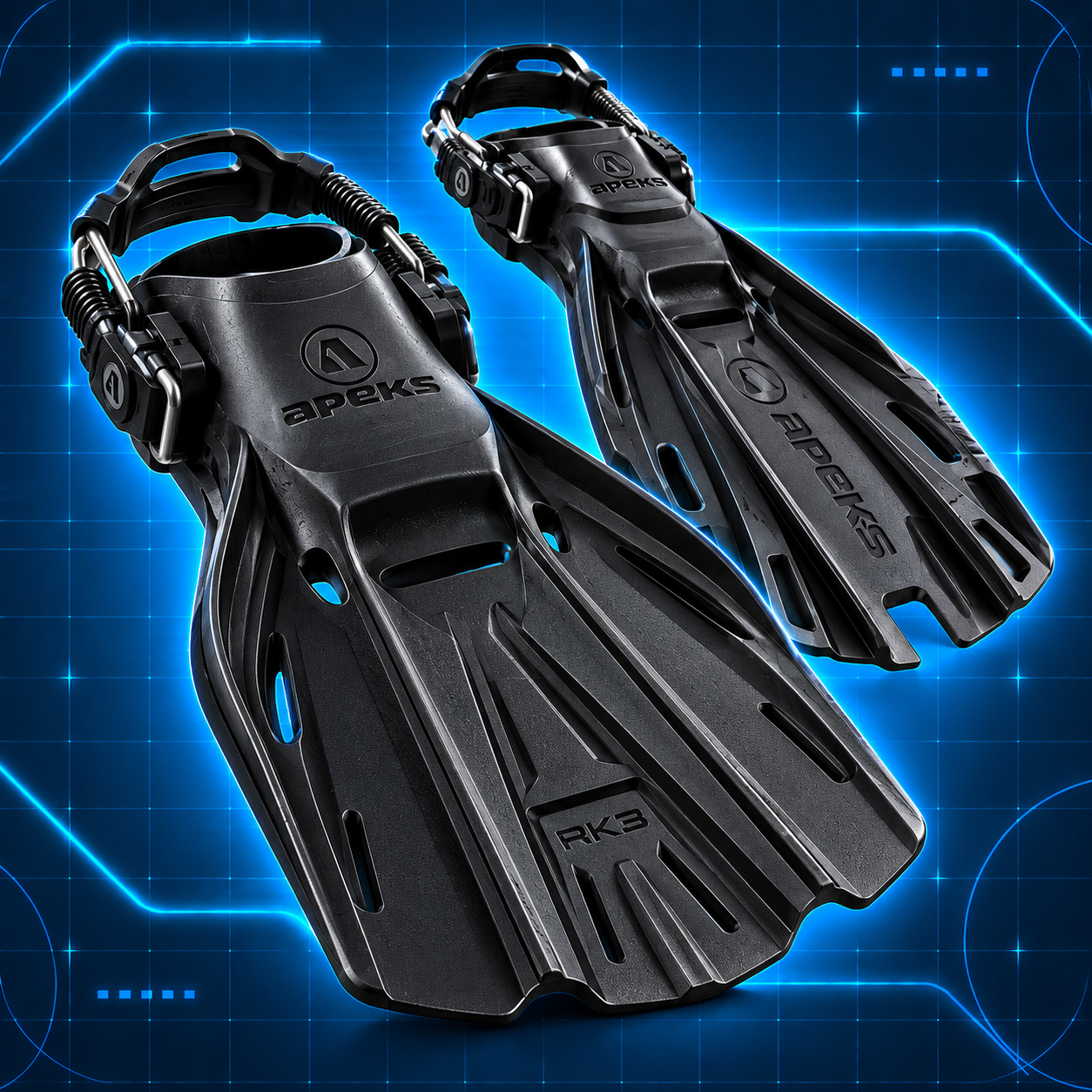
Fins affect propulsion, maneuverability, fatigue and comfort. The classic beginner mistake is assuming stiffer automatically means better. It doesn't.
What matters most
Foot-pocket fit, blade stiffness, leg strength, current, travel weight, fin buoyancy, boot compatibility and the kicks you actually use.
Mares Avanti Quattro+, Scubapro Seawing/GO, Cressi Reaction/Frog and TUSA models.
Apeks RK3/RK3 HD, Scubapro Jet Fin, Hollis F1 and OMS Slipstream.
04 Boots & Exposure
Boots
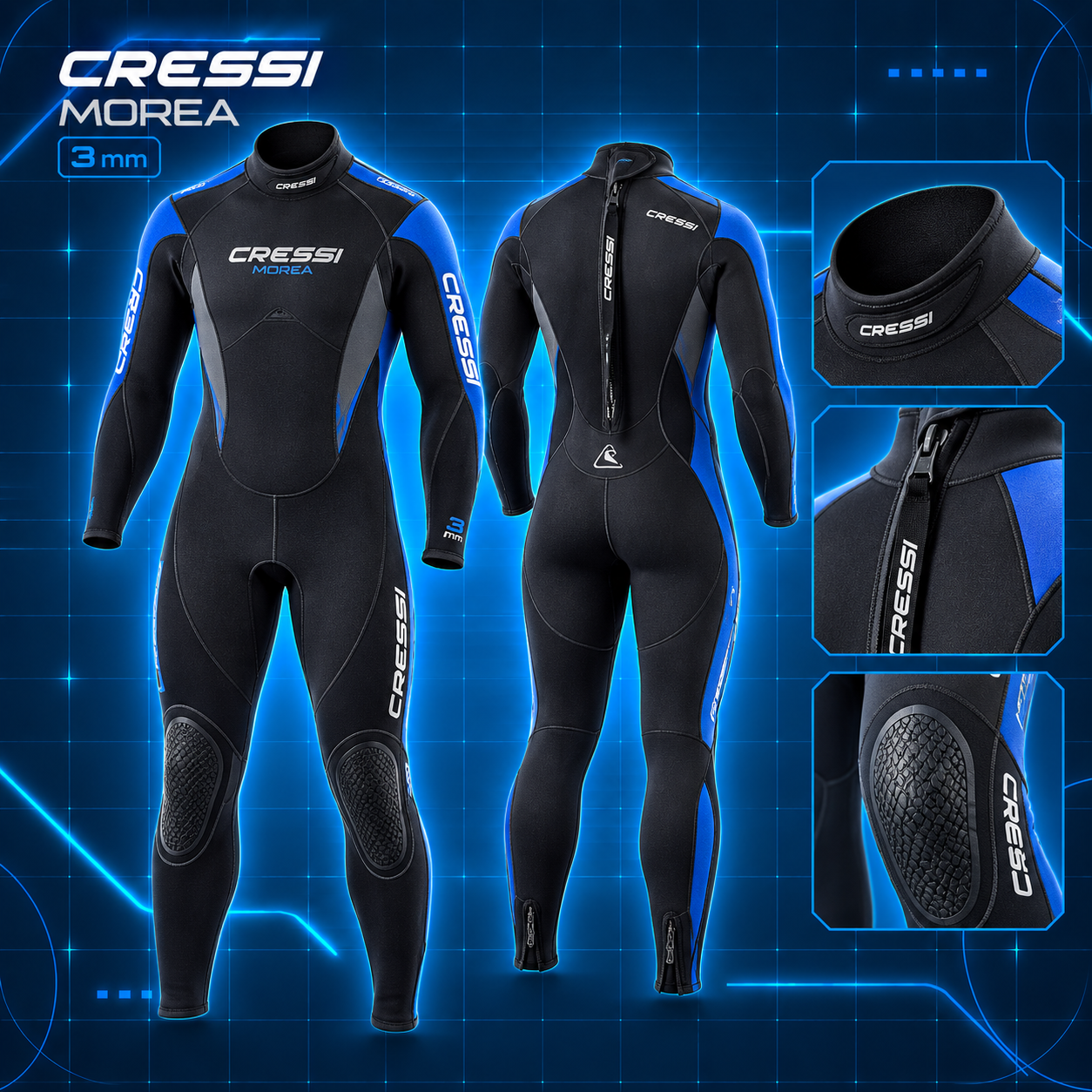
Buy boots with your fins. Warm-water divers commonly use around 3 mm; 5 mm is versatile; colder conditions may require 7 mm or drysuit-compatible footwear.
Wetsuits
Exposure protection depends on temperature, dive duration, depth, repetitive diving, wind and individual cold tolerance. Fit determines both comfort and thermal performance. Established names include Cressi, Scubapro, Bare, Henderson, Fourth Element, Mares and Waterproof.
Drysuits
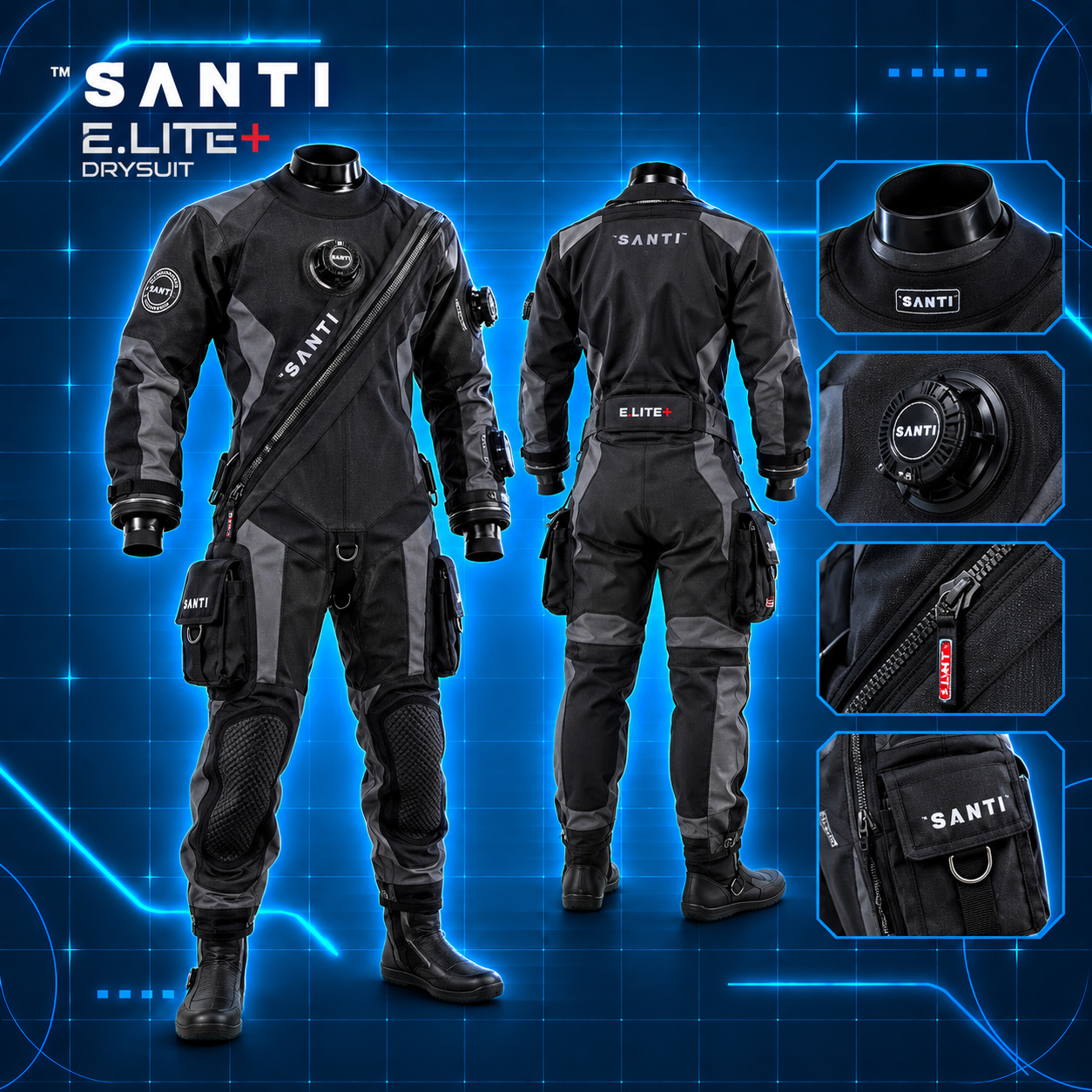
A drysuit is a separate exposure-protection system, not simply a thicker wetsuit. Fit, mobility, seals, valves, entry style, footwear, undergarments, repairability and local service all matter. Technical/cold-water favorites frequently include SANTI, Fourth Element, Waterproof, SF Tech and O'Three.
05 Dive Computers
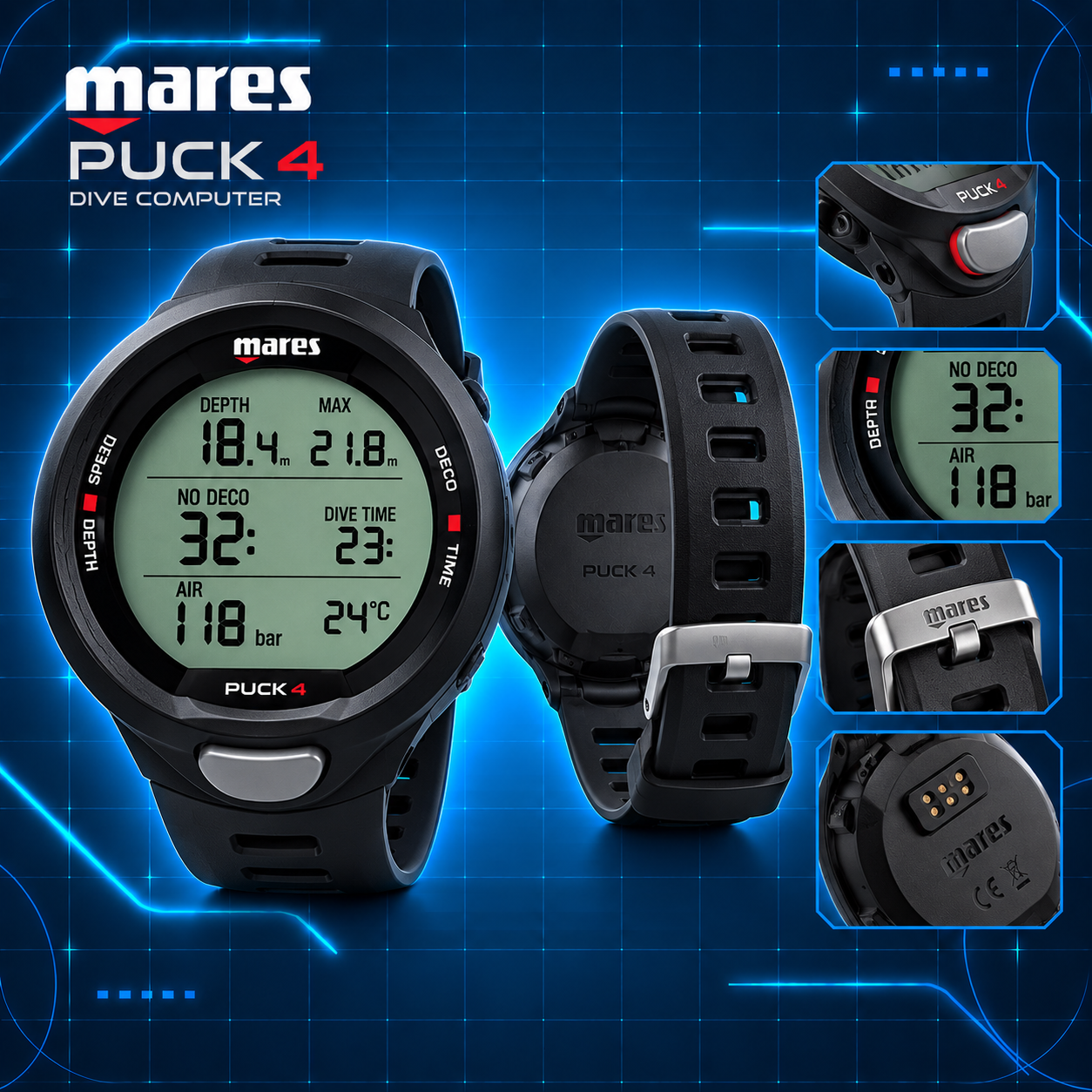
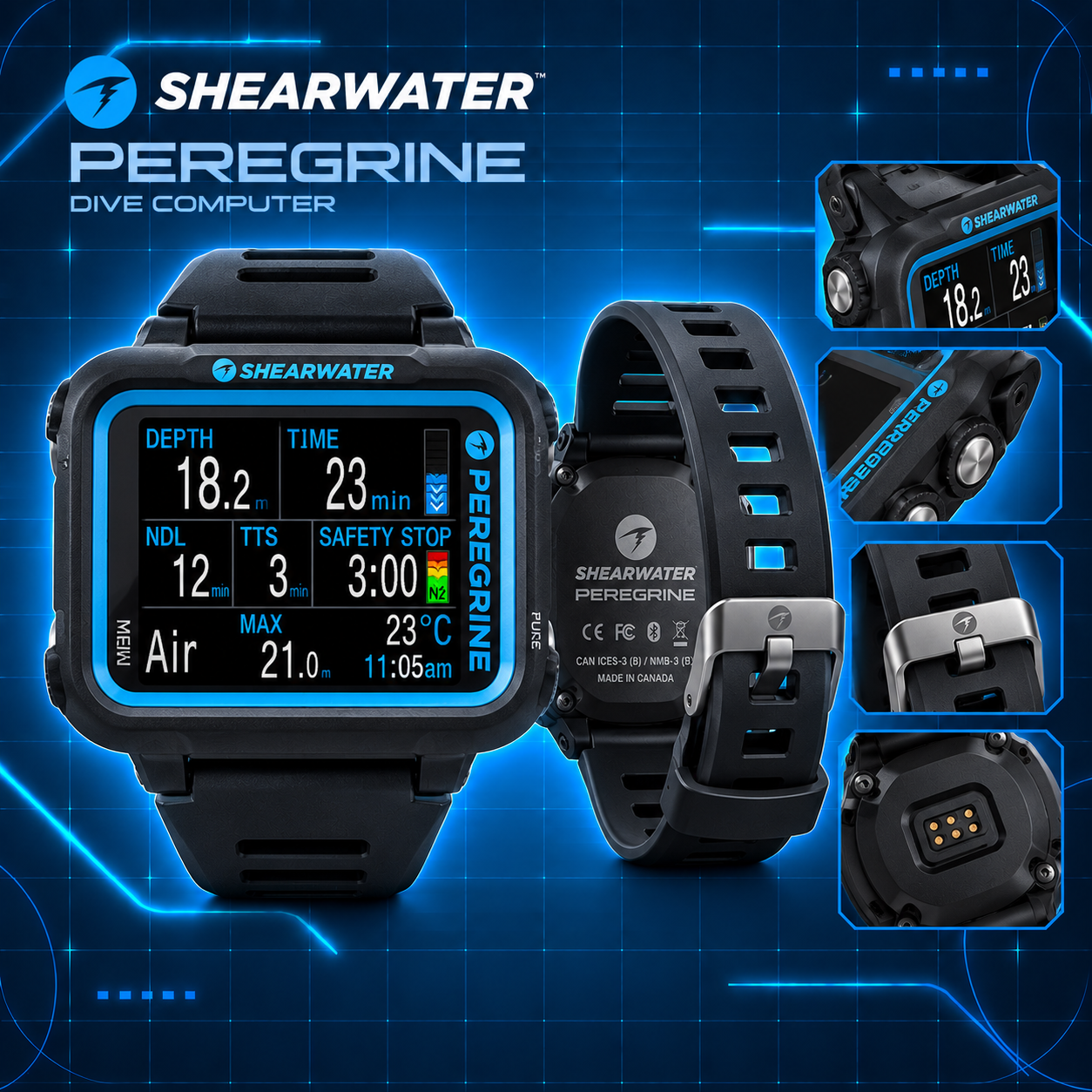
A personal computer is one of the strongest early purchases because you learn one interface and it follows your actual dive history. But this is also one category that may change dramatically if your diving develops.
What matters most
Readable display, intuitive controls, Nitrox, battery/recharging, decompression algorithm, log download, compass, air integration if desired, multiple gases, and whether you may later need decompression, trimix or CCR functions.
Mares Puck family, Suunto Zoop Novo, Cressi Leonardo.
Shearwater Peregrine / Peregrine TX. Technical families commonly move toward Perdix/Petrel/Teric-class instruments.
06 Regulators
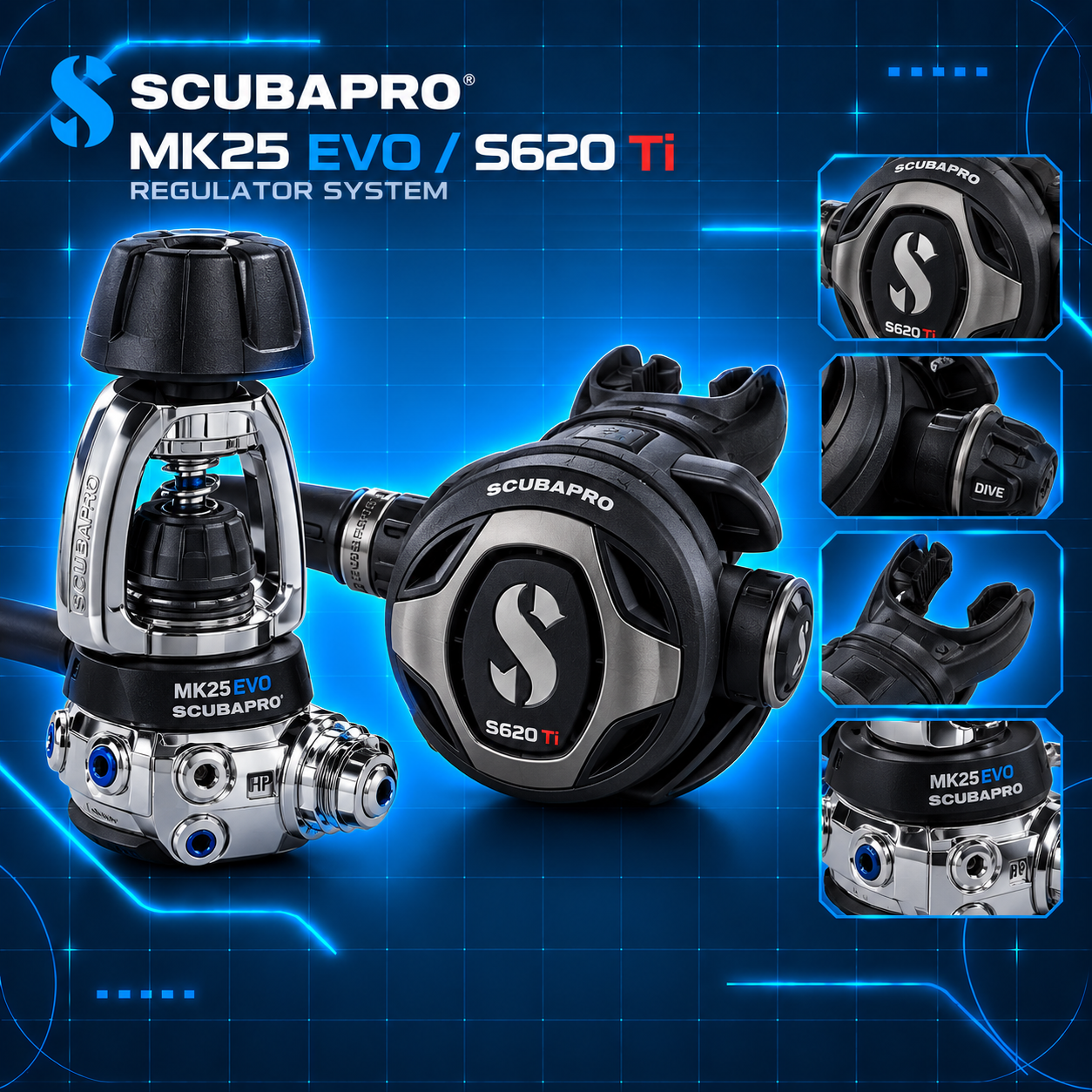
A regulator is life-support equipment. A normal recreational system includes first stage, primary second stage, alternate second stage, inflator hose and SPG or transmitter.
What matters most
Breathing performance, cold-water capability, environmental sealing where appropriate, hose routing, DIN/Yoke availability, travel weight, parts availability and—critically—competent local service.
Apeks XTX families, Scubapro MK-series, Aqualung Helix/Legend/Titan, Mares, Atomic and Cressi MC-series.
Apeks DST/XTX50 and Scubapro MK25 EVO/G260 are widely established examples.
DIN vs Yoke
Yoke/INT remains common in North America and many tropical rental operations. DIN is compact and especially widespread in Europe and technical diving. Convertible valves and a travel adapter solve most compatibility issues.
07 BCD / BPW
Jacket BCD
Familiar from training and rental fleets, comfortable at the surface, often with integrated weights and useful pockets. It can remain a perfect permanent recreational choice.
Back-inflate
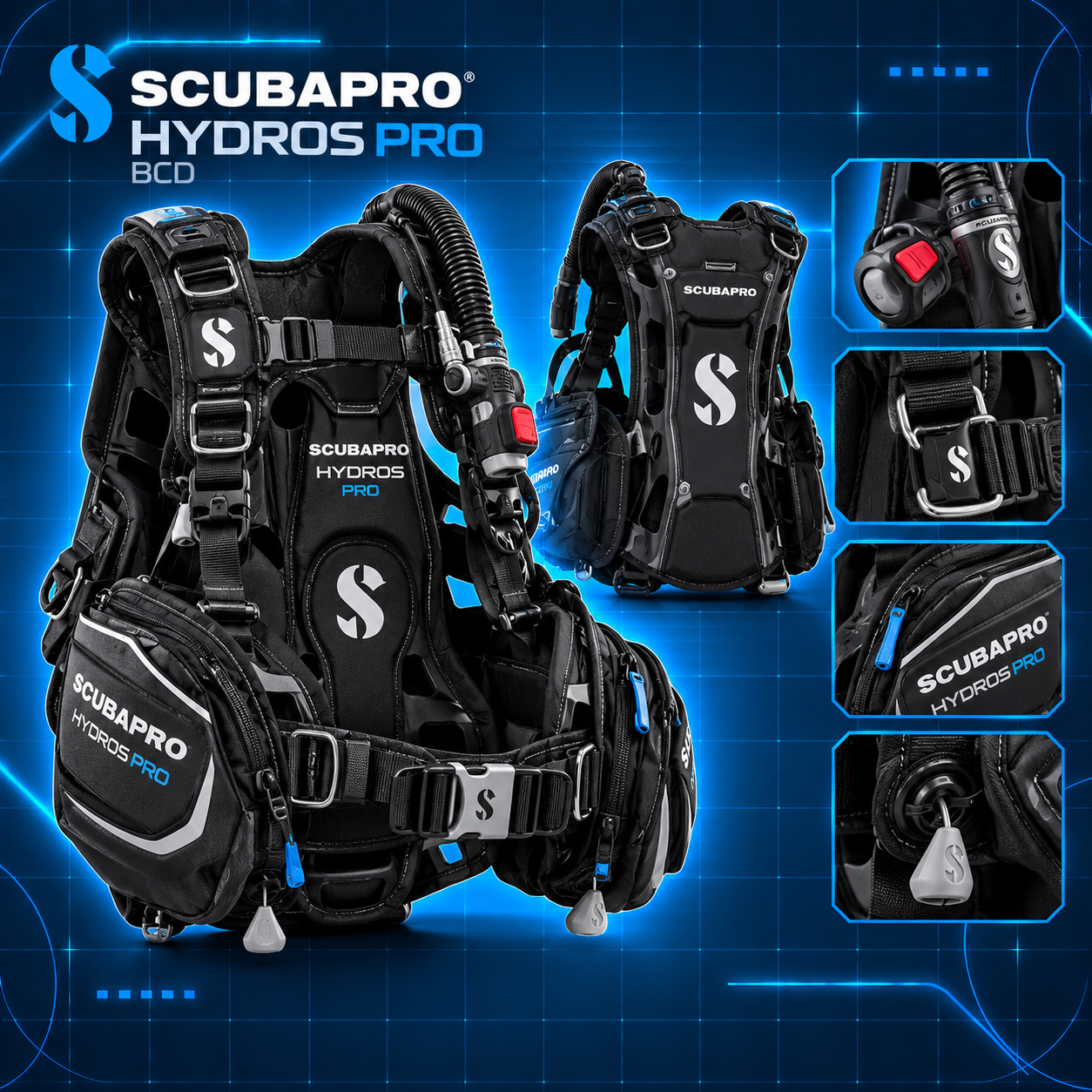
Moves most buoyancy behind the diver and leaves the front less cluttered. Established examples include Scubapro Hydros Pro, Zeagle, Apeks and XDEEP recreational configurations.
Backplate & Wing
A BP/W is a backplate, harness and separate wing. It is simple, modular and no longer exclusively technical equipment. Choose plate material, harness, wing shape and lift for the cylinders you actually dive—do not buy a huge wing “for the future.”
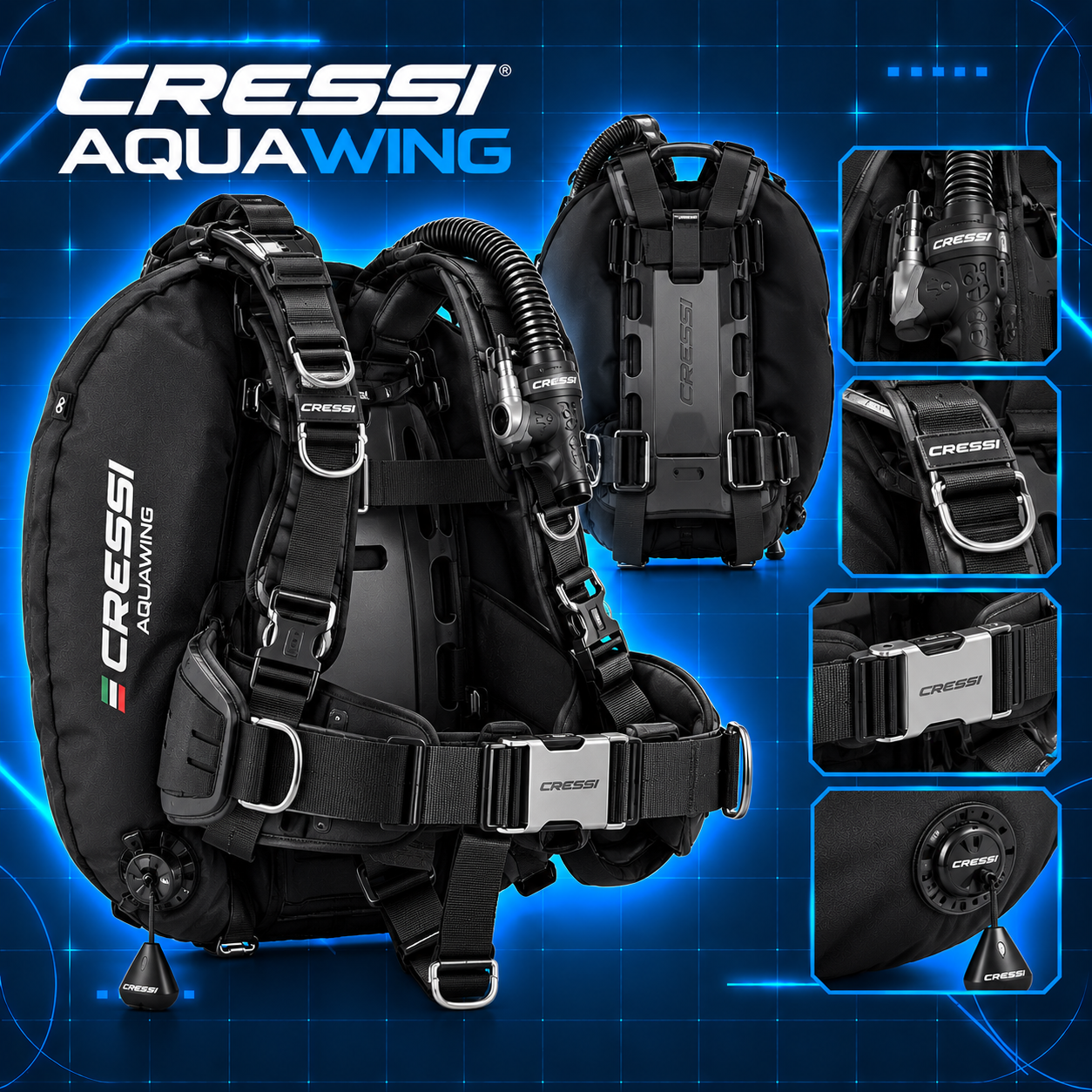
Cressi Aquawing — Recreational BP/W Choice
The Cressi Aquawing is a very good example of a recreational-friendly backplate-and-wing system: streamlined and relatively lightweight, with the clean underwater profile and modular feel of a wing configuration in a package suited to recreational and travel diving. It also shows why BP/W systems should no longer automatically be treated as technical-diving-only equipment.
Cressi Aquawing, XDEEP Zen, Halcyon Eclipse, Dive Rite and Tecline systems.
Halcyon, XDEEP, Dive Rite, Tecline and OMS.
08 SPG & Air Integration
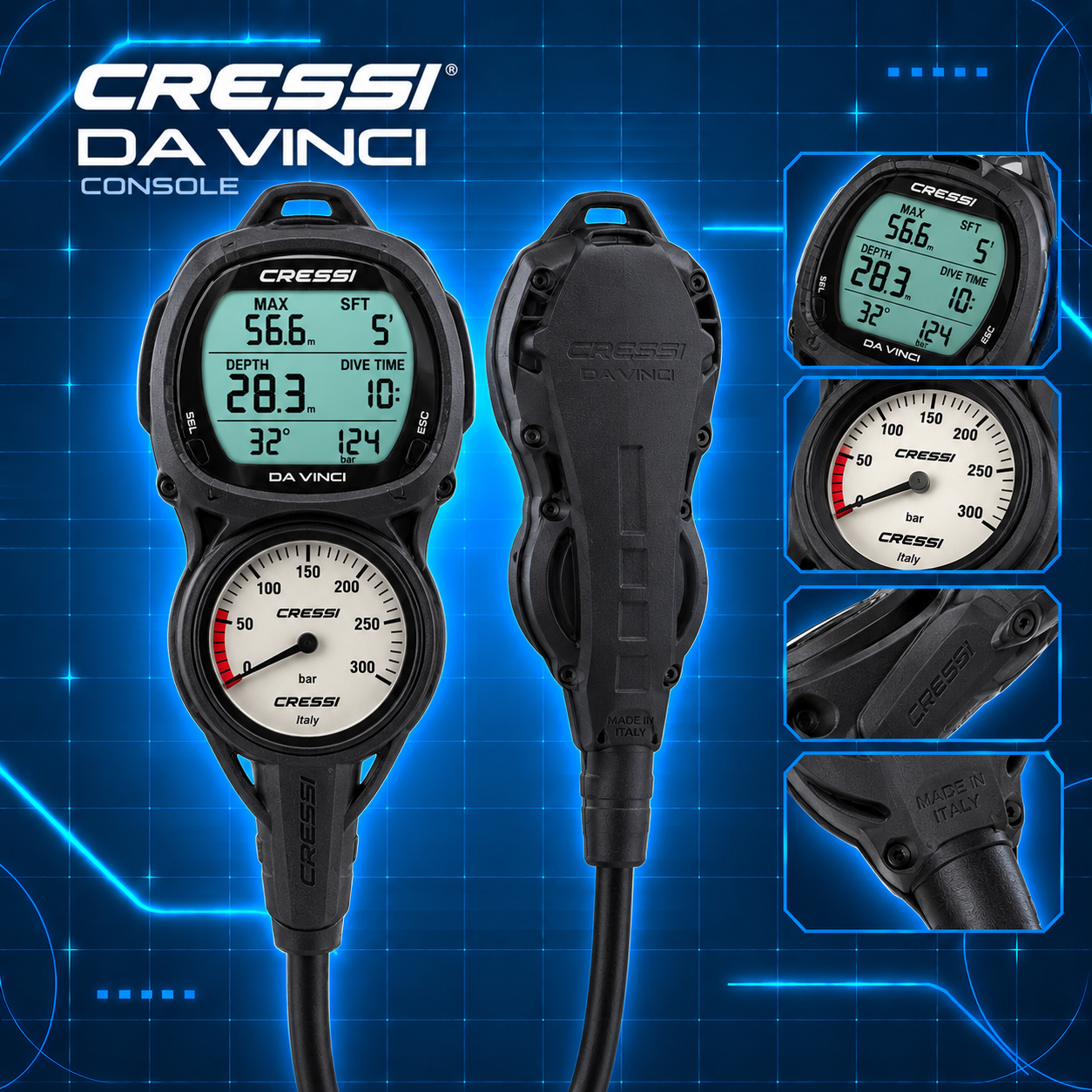
An analog SPG is simple, reliable and easy to understand. Wireless air integration can add pressure, gas-consumption estimates, alarms and logged pressure data. It is useful but not required for learning recreational scuba.
Many experienced divers use air integration while retaining an analog SPG where redundancy is desired.
09 Cylinders & Weights
For most traveling recreational divers, cylinders and weights are rental equipment. Common examples are roughly 11–12 L steel cylinders in metric markets and AL80 aluminum cylinders in many tropical/North American operations. Technical diving introduces doubles, sidemount pairs, stage/decompression and bailout cylinders, where cylinder choice becomes part of the gas and equipment system.
Ownership makes sense for frequent local diving, specific cylinder requirements or specialized configurations. Lead is cheap and heavy—an especially bad combination for airline luggage.
10 DSMB, Spool & Light
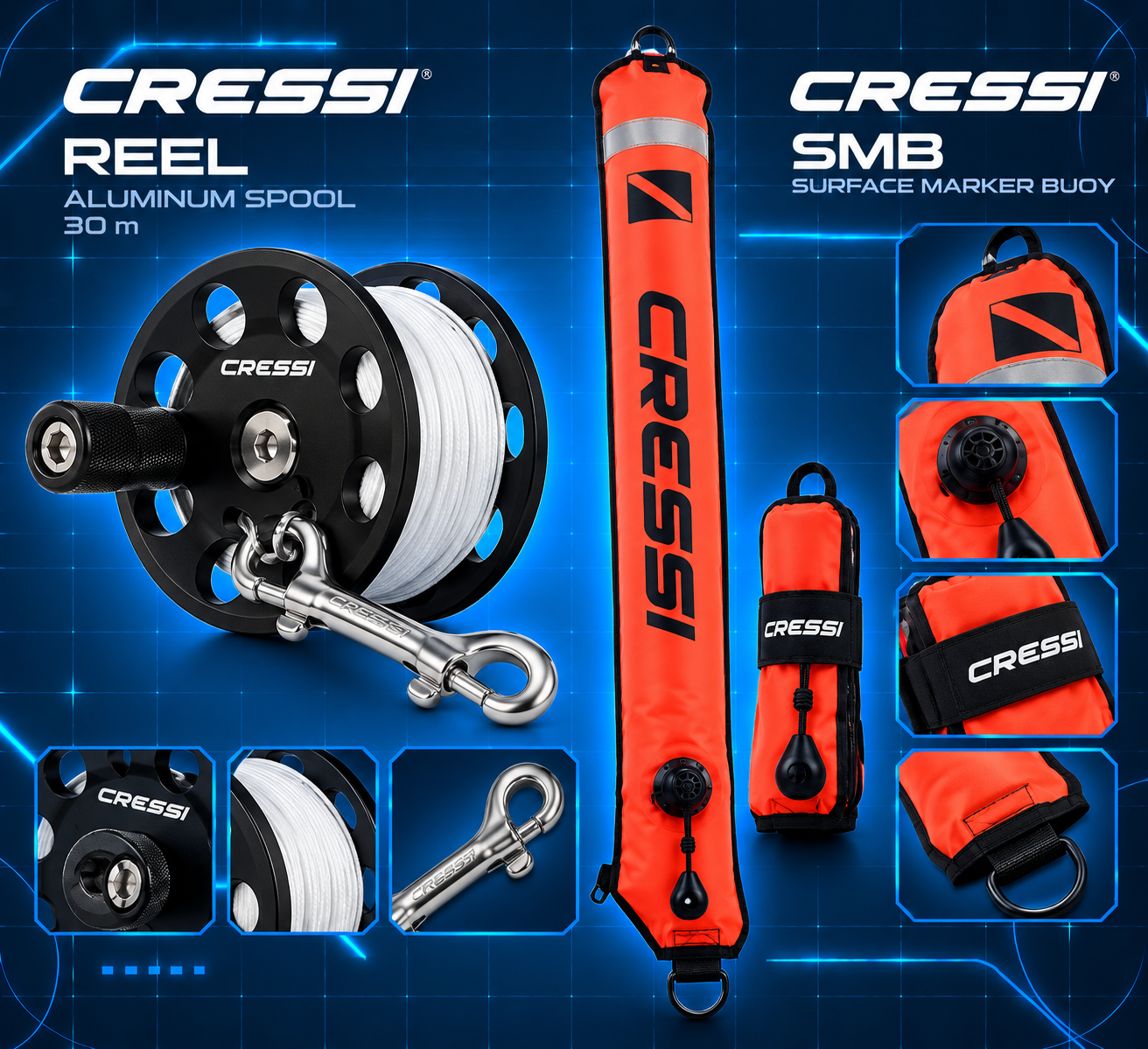
DSMB + spool
A practical recreational setup is commonly around a 1.2–1.8 m DSMB with a 15–30 m finger spool. Technical divers may carry larger markers, backup spools or reels according to procedures and environment. Buying it is not enough—practice deploying it.
Cutting tool, compass and light
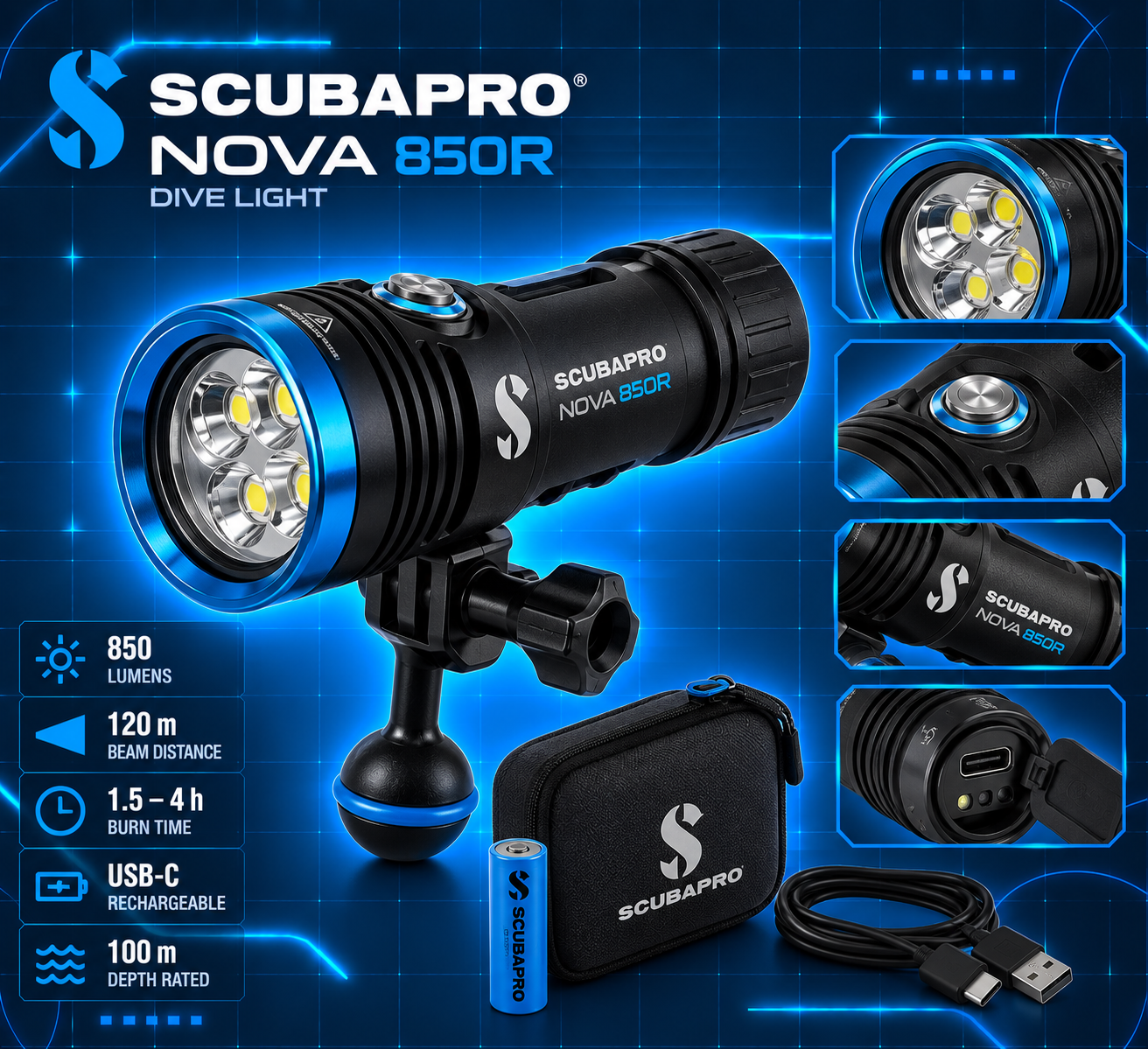
A compact line cutter, trauma shears or blunt-tip knife can deal with fishing line, net or rope. A compass remains an important navigation tool even if your computer has a digital compass. A small light is useful on ordinary reef dives and becomes essential for night, wreck, cave and many technical dives.
The Quick Look
| Equipment | Buy when? | Recreational favorites / examples | Advanced / technical favorites / examples |
|---|---|---|---|
| Mask | FIRST | Cressi F1/Big Eyes, TUSA Freedom, Mares X-Vision, Scubapro | Low-volume frameless + backup |
| Fins | FIRST | Mares Avanti Quattro+, Scubapro Seawing/GO, Cressi Reaction | Apeks RK3, Scubapro Jet Fin, Hollis F1, OMS Slipstream |
| Wetsuit | EARLY | Cressi, Bare, Scubapro, Fourth Element, Henderson, Mares | Environment dependent |
| Drysuit | LATER | Bare, Waterproof, Fourth Element, Scubapro, Seaskin | SANTI, Fourth Element, Waterproof, SF Tech, O'Three |
| Computer | EARLY | Zoop, Puck, Leonardo → Peregrine | Shearwater Perdix/Petrel/Teric; Garmin Descent |
| Regulator | LATER | Apeks, Scubapro, Aqualung, Mares, Atomic, Cressi | Apeks DST/XTX50; Scubapro MK25/G260 |
| BCD | TRY → BUY | Aqualung, Cressi, TUSA, Scubapro, Zeagle | — |
| BP/W | TRY → BUY | Cressi Aquawing, XDEEP Zen, Halcyon Eclipse, Dive Rite | Halcyon, XDEEP, Dive Rite, Tecline, OMS |
| Cylinder | LAST / RENT | AL80, 11–12 L steel | Twins, sidemount, stages according to training |
Brand Map
This overview shows where established names are most visible. Many manufacturers span categories, and individual products can sit outside a brand's usual market position. Choose the product, fit, service network and suitability—not a label.
Recreational focus
Cressi
TUSA
Oceanic
Sherwood
Henderson
Strong visibility in mainstream recreational masks, fins, suits, BCDs, regulators and computers depending on brand.
Mixed / all levels
Scubapro
Aqualung
Mares
Apeks
Atomic Aquatics
Bare
Waterproof
Broad recreational presence with products that also extend into demanding, cold-water or technical use.
Advanced / crossover
Shearwater
Garmin Descent
XDEEP
Fourth Element
Zeagle
Dive Rite
Highly visible among experienced recreational divers and/or technical divers; several now cross strongly into mainstream recreation.
Technical / specialist roots
Halcyon
SANTI
OMS
Tecline
SF Tech
O'Three
Strong technical, expedition or specialist identity, while some products remain perfectly suitable for recreational use.
Purchase Path
↓
GET TRAINED — USE RENTAL SCUBA EQUIPMENT
↓
PERSONAL DIVE COMPUTER
↓
EXPOSURE SUIT
↓
DSMB + SPOOL + CUTTING TOOL
↓
TRY: JACKET BCD ↔ BACK-INFLATE ↔ BP/W
↓
REGULATOR
↓
YOUR PREFERRED BCD / BPW
↓
CYLINDERS + WEIGHTS only if your actual diving makes ownership worthwhile